
PHOTO SPOT GUIDE
Autumn in Oku-Nikko — From Akechidaira to Senjogahara, a Highland Brocade
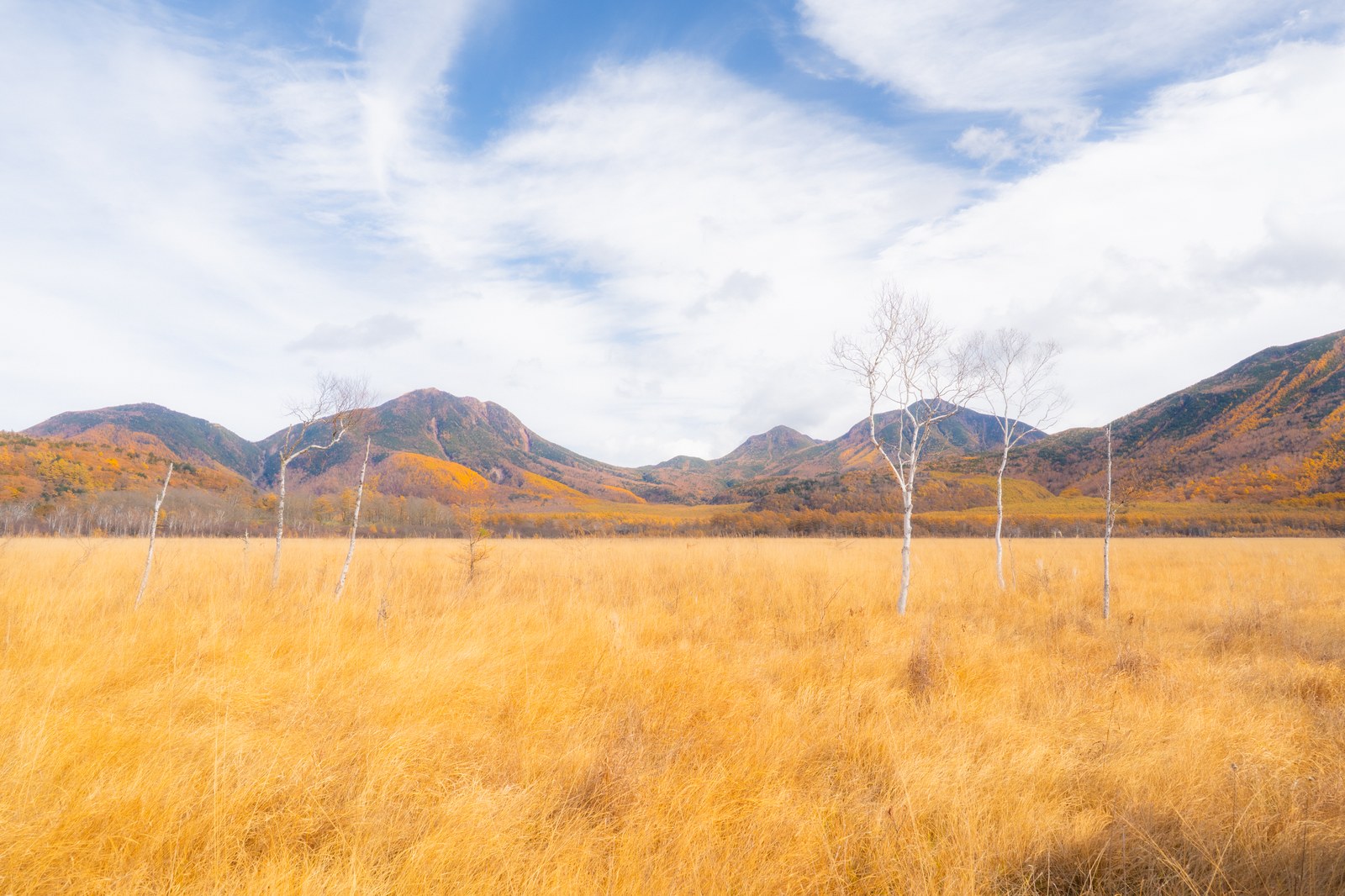
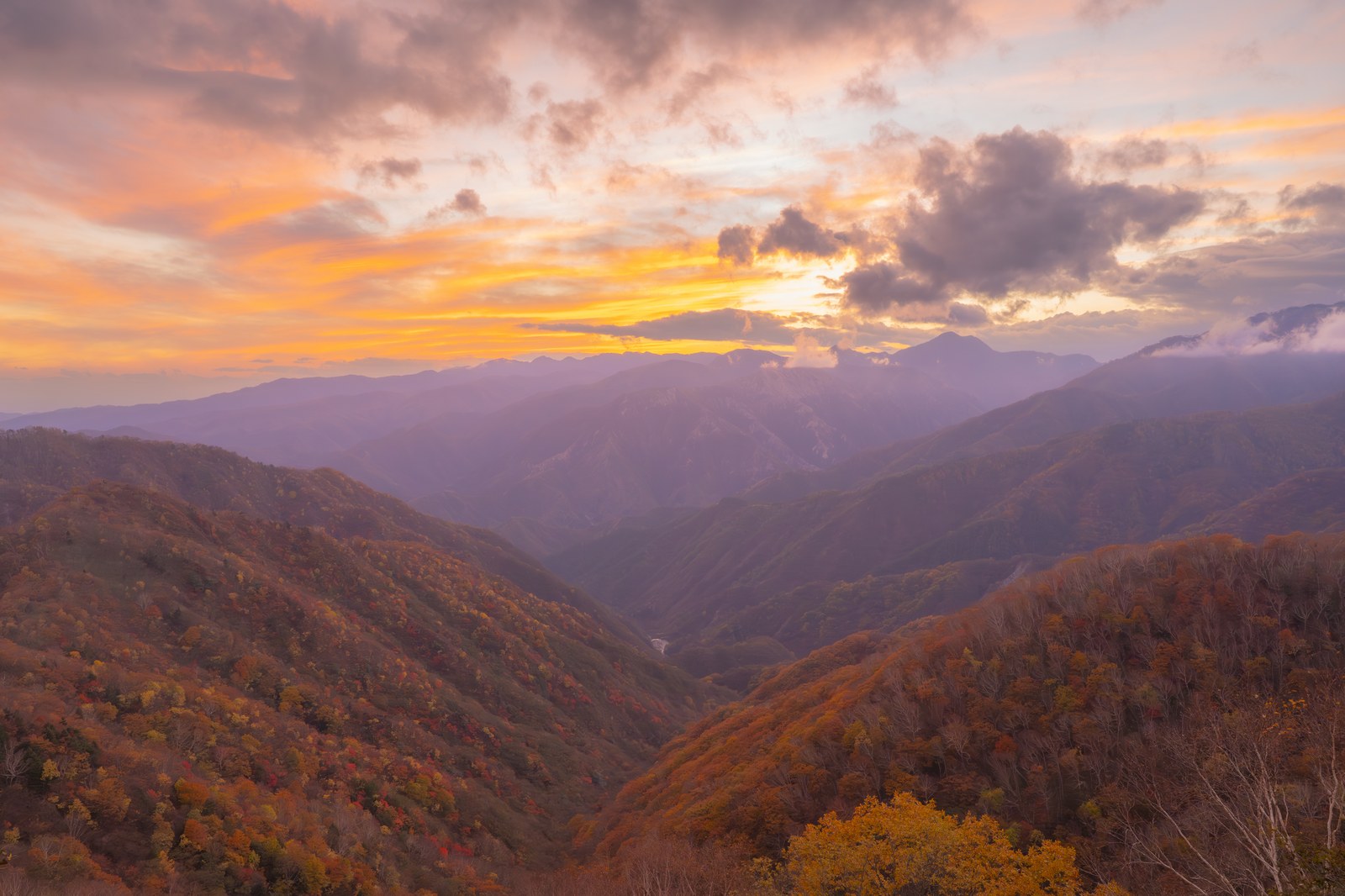
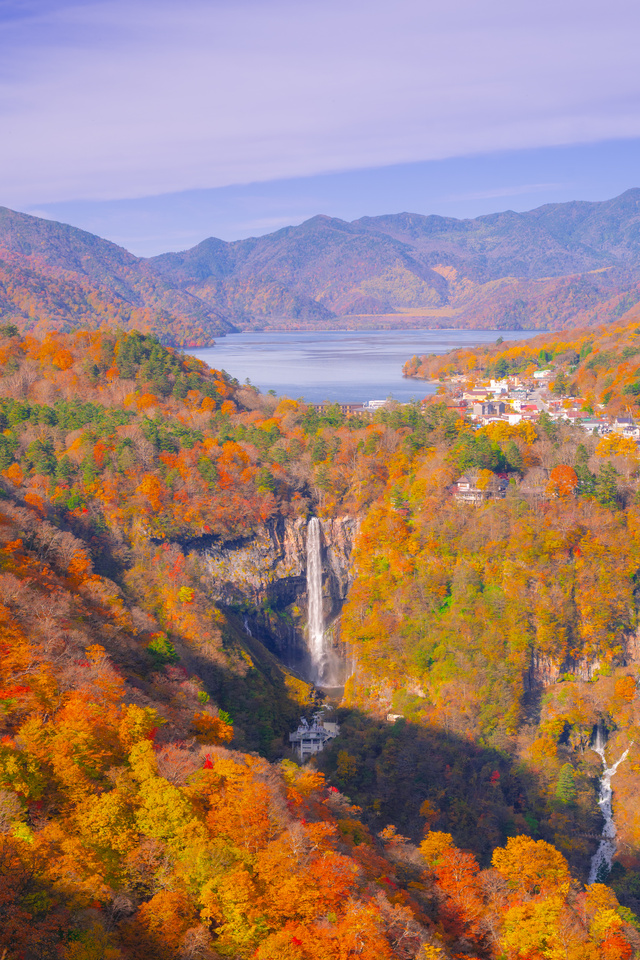
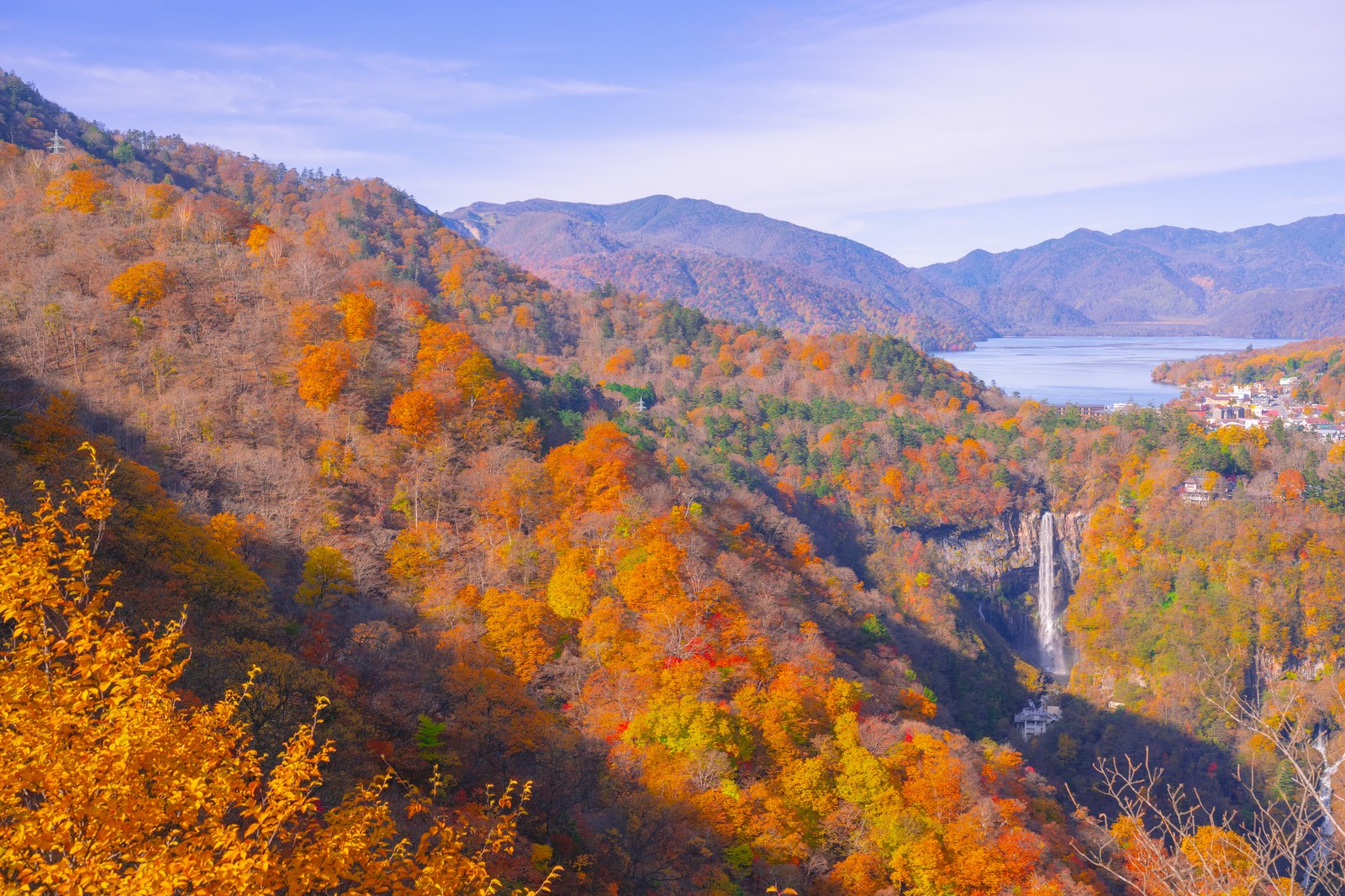
Oku-Nikko, in Tochigi. Autumn comes down earlier here than anywhere else on Honshu, onto a highland more than a thousand metres up. In autumn 2026, though, the Akechidaira ropeway is out of service (scheduled until 31 August 2027, Nikko Kotsu), so for a view down over the lake and Mt. Nantai, head for the Hangetsuyama observation deck. Lake Chuzenji and Kegon Falls seen from Akechidaira; the sun going down behind Hangetsuyama; Senjogahara with its floor of golden marsh grass. The height of the mountain translates directly into a difference in timing, and the seasons overlap. This is a record of one autumn, watched from four places.
Autumn begins at the top
Autumn in Oku-Nikko has a slightly different character from autumn in the lowlands. The greater altitude sharpens the cold of morning and evening, and the trees change colour at a brisk pace. Red rowan, yellow Erman's birch, the pale gold of larch. Into that come the blue of Lake Chuzenji and the white spray of Kegon Falls, and the whole mountain takes colour like one enormous painting. There are not many places where water and autumn leaves stand this close together. Brocade inverted in the lake, mist rising from the plunge pool, and the slope burning beyond it. Cold, clear air makes the colours deeper still, and each time I look up something inside me rings quietly.
Four scenes, one autumn
The Akechidaira viewpoint takes in Lake Chuzenji, Kegon Falls and Mt. Nantai all at once, and the sight of the valley below sinking into red is among the finest views in Oku-Nikko. Kegon Falls drops about ninety-seven metres and is counted among Japan's three great waterfalls; the sound of all that water from Lake Chuzenji going over at once takes the breath out of you where you stand. From Hangetsuyama the ranges fold over one another, and when the evening sun reaches them every ridge takes on a golden edge. And then Senjogahara, where the marsh grass turns gold across the whole wetland and the seed heads lean as one each time the wind crosses. On the other side of a working life that counts time out second by second in the emergency room, time on this mountain runs slowly — something this highland reminds me of every year.
Autumn arrives from the high ground.
Water and brocade sound as one.
On to the individual location guides
Senjogahara and Hangetsuyama each have a photo spot guide of their own. Seasons, access and cautions are all set out there.
Deciding where to go — seasons, and the order they come in
Autumn in Oku-Nikko takes a month to come down the mountain, following the altitude.
This is the most important thing to understand about this mountain. In the autumn colour calendar of the Ministry of the Environment's Nikko-Yumoto Visitor Center, Senjogahara and Odashirogahara are at their best from late September to early October, Ryuzu Falls from early to mid-October, Lake Chuzenji from mid to late October, and Irohazaka from late October to early November. The Nikko City Tourism Association puts the Hangetsuyama observation deck at late October to early November. Which means that the golden marsh grass of Senjogahara and the autumn colour of Irohazaka, Lake Chuzenji and Hangetsuyama cannot be caught on the same day. Rather than trying to see everything in one trip, decide first what you want as your subject and choose the date from there. The larches usually turn gold around late October. The season varies from year to year, so it is worth checking the latest conditions before you set out. Mornings up here are sharply cold — bring one more layer than you think you need.
Getting there
Irohazaka jams heavily in the autumn season, more or less every year. It is already busy by late morning, so moving early is the thing to do. By public transport, buses from JR Nikko Station or Tobu Nikko Station towards Chuzenji Onsen and Yumoto Onsen are the convenient option, and they run as far as Akechidaira and Lake Chuzenji. Note that the Akechidaira ropeway has been out of service for refurbishment since 16 January 2026; Nikko Kotsu, which runs it, schedules the closure until 31 August 2027 and says it may be extended depending on the work. Please check the official information before you set out.
Tips for photographers
A frame from the viewpoint changes enormously with how you place the lake, the falls and the mountain. Do not give too much room to the open sky; put the weight on the coloured slope and the picture gains density. At Kegon Falls, a slow shutter that runs the water like silk and a fast one that freezes the spray each give you something. A tripod is reassuring. The cold highland air is clear a long way out and renders the colours of the distance sharply. How to approach the golden marsh grass of Senjogahara — backlight and raking light, boardwalk etiquette, being ready for bears — and how to approach the sunset at Hangetsuyama — the few minutes when the sun touches the ridge, and the road restrictions — are both set out in detail in their own location guides.
While you're in the area
The lakeside path around Lake Chuzenji is a pleasant walk, and the water with Mt. Nantai reflected in it makes a photograph on its own. Ryuzu Falls is famous as an autumn spot, with colour spread right across the slope along the line of the stream. Go further in and you reach Yumoto Onsen at the very back of Oku-Nikko, where warming a body that has walked all day, on the shore of Lake Yunoko, is its own kind of pleasure. Link Akechidaira, Hangetsuyama, Kegon Falls and Senjogahara together, and take a slow circuit of the highland autumn.
More photographs from this spot
Dates and times come from the camera’s own record of each shot. Tap a photograph to open its print page.
The route that day — Autumn colour in Oku-Nikko (2 November 2025)
Each time is when the first photograph at that place was taken, from the camera’s own record.
- Akechidaira (this article)
- Senjogahara
- Hangetsuyama Observation Deck
We deliver the clear autumn light of Oku-Nikko as a silver-halide print on FUJICOLOR's finest photographic paper, each one carefully finished. Worldwide shipping is available.
💾 A digital download is also available ($4.00 each). Bundles cost less: 3 for $10.20, 5 for $15.00 ($3.00 each) — mix any photographs you like.
View the print →