
PHOTO SPOT GUIDE
Ueno Toshogu Peony Garden ― Four Seasons of Flowers Beside a City Shrine
In Ueno, Tokyo, in the very heart of a city that never quite stops moving, there is a small garden where the seasons change colour slowly. Beside a golden shrine to Tokugawa Ieyasu, winter peonies bloom under little caps of woven straw. Just beyond the noise, the flowers were breathing quietly, but unmistakably.
A Flower Glowing Beneath the Straw
The first thing you notice in the winter garden at Ueno Toshogu are the conical straw cloches, called warabocchi. The peonies are given little raincoats of straw to guard them from frost, and within that shelter the winter blooms glow like small lanterns. A flower that ought to wait for spring instead opens wide in the coldest weeks, sustained by human hands and the warmth of straw. There is something quietly moving in that gentleness. Perhaps it is not only the flower being sheltered, but the heart of the person who stops to look. To stand for a while before a single bloom in the cold air is enough to let a frayed day unwind.
A Garden of Every Season, in the Heart of the City
The true luxury of this garden is that the flowers never quite stop. In the New Year, daffodils carry their clean fragrance through the air. From April into May, the spring peony festival fills the garden with more than five hundred plants across over a hundred varieties, raised in Japan, China, America and France. In autumn come the dahlias, and basins of floating blooms greet each visitor. Even in a life ruled by the clock, as mine is in the emergency room, time here moves softly. The rumble of the subway and the crowds fall away the moment you pass through the gate, and before the flowers only the turning of the seasons remains.
On the coldest day, the gentlest flower opens.
Beneath the straw, without waiting for spring.
When to go — winter and spring peonies
Time your visit to the season and meet the flowers at their finest.
The Wintertime Peony Festival runs from January 1 to late February on the official schedule (in 2026, January 1 to February 23), open 9:30 to 16:30 (last entry). The garden's 160 winter-flowering peony plants of 40 varieties are at their best throughout, and it also lists wintersweet from early to late January, red plum from late January to early February, and pheasant's eye, weeping plum and Kawazu cherry from February. The Springtime Peony Festival runs from early April to early May (in 2026, April 4 to May 6), open 9:00 to 17:00 (last entry), with more than 500 plants of 110 varieties. Admission for both is 1,000 yen for adults (junior-high age and over), 800 yen each for groups of 15 or more, and free for elementary-school children and younger; there are no other discounts. The official schedule gives no year, and as of 1 November 2026 no separate notice for the 2027 season could be found, so please confirm the details on the official site before you go. In autumn, great dahlias bloom and basins of flowers floated on water greet visitors. Because each flower has its own season of opening, checking which blooms are out before you come helps you meet the garden at its finest.
Getting there: from Ueno Station to the peony garden
From the Park Exit of JR Ueno Station, it is a five-minute walk through Ueno Park; from Nezu Station on the Tokyo Metro Chiyoda Line, it is ten minutes on foot. The garden sits next to Ueno Zoo, within the grounds of Ueno Toshogu Shrine. Ueno Park is large, so heading toward the zoo after the Park Exit keeps you from losing your way. There is no parking at the garden and nearby car parks fill up, so the garden recommends public transport. On weekends and at the height of each season it draws crowds, so the quiet hour just after opening is the loveliest time to visit.
How to photograph winter peonies under straw
In winter, the classic frame brings the straw cloche and the flower together up close. The contrast between the rough texture of the warabocchi and the delicate petals of the peony tells the story of the season itself. The morning after snowfall is especially poetic, when a thin dusting settles over the blooms. Let the golden shrine or a stone lantern blur softly in the background, and the picture quietly reveals that this is a shrine in the centre of the city. The gentle light of an overcast day renders the flowers' shadows most beautifully.
While you're in the area
When you leave the garden, step next door to the golden hall of Ueno Toshogu Shrine; the dazzling structure and the stone lanterns lining the approach are well worth seeing. Wander the broad expanse of Ueno Park, and walk on to the lotus-covered Shinobazu Pond to find a stillness you would never expect in central Tokyo. Ueno also gathers the National Museum of Nature and Science, the Tokyo National Museum and several art museums, so a day that turns from flowers to art or natural history is a fine idea.
More photographs from this spot
Dates and times come from the camera’s own record of each shot. Tap a photograph to open its print page.
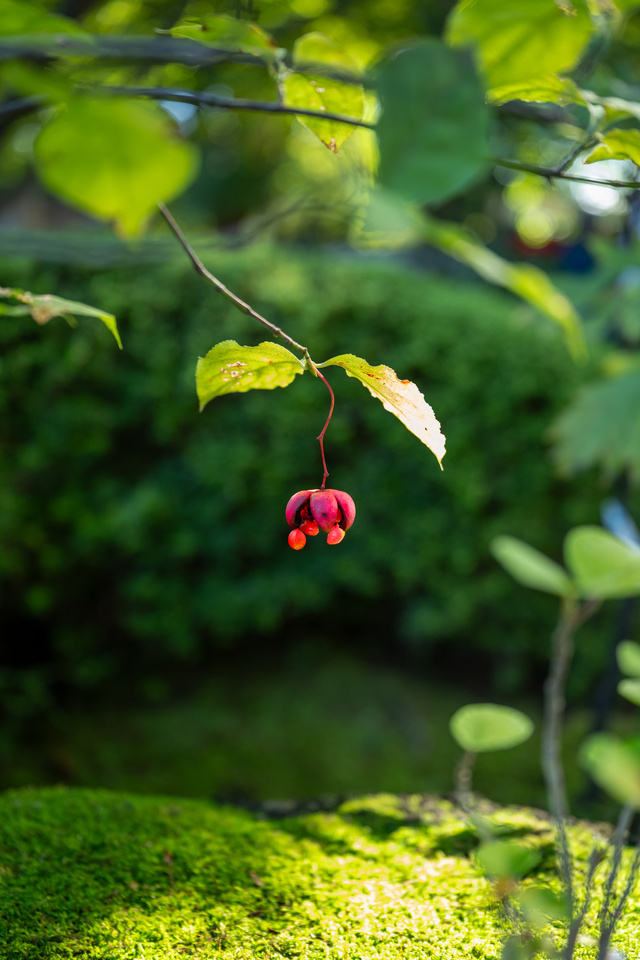
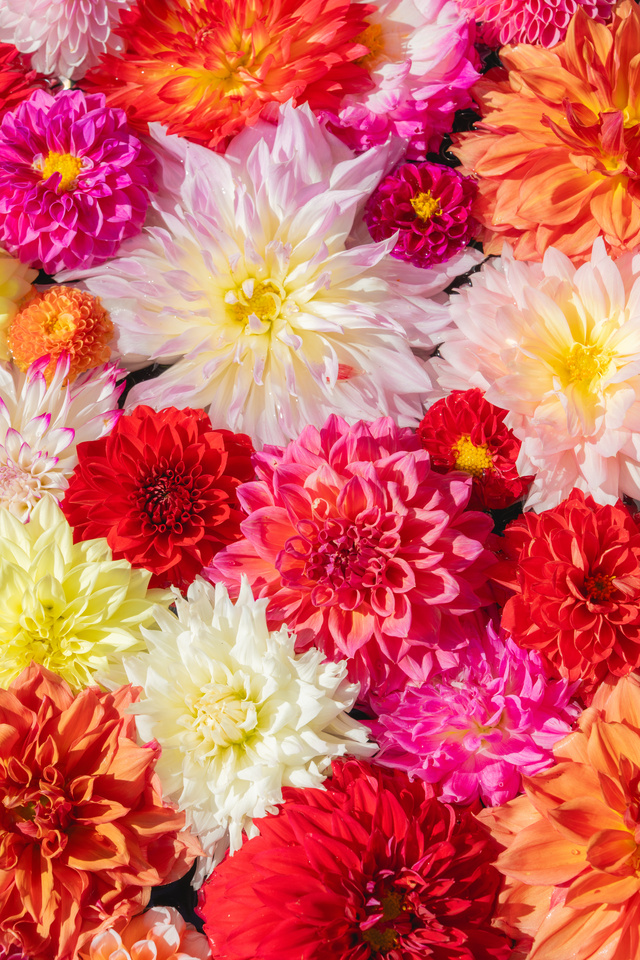
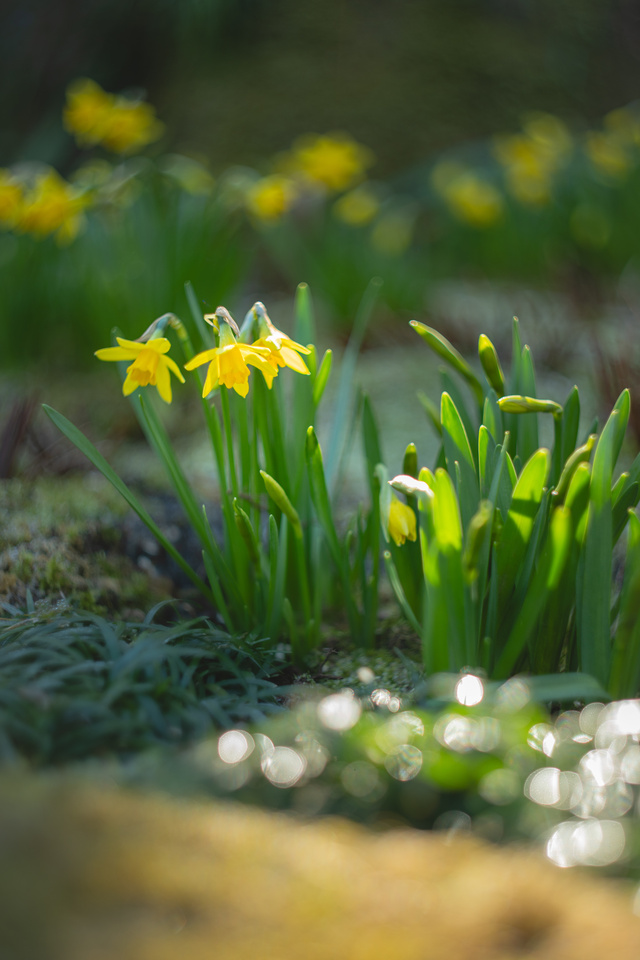
The route over two days — Winter flowers in Funabashi and Ueno (7–8 January 2026)
Each time is when the first photograph at that place was taken, from the camera’s own record.
- Funabashi Andersen Park
- Ueno Toshogu Peony Garden (this article)
- Ueno Park
- Ueno Toshogu Peony Garden (this article)
Questions photographers ask
When can I see the winter peonies at Ueno Toshogu?
The official schedule gives the Wintertime Peony Festival as January 1 to late February, with the 160 winter-flowering plants of 40 varieties at their best throughout. In 2026 it ran from January 1 to February 23. The schedule states no year, and no separate notice for 2027 could be found as of 1 November 2026.
Sources: Ueno Toshogu Peony Garden, winter schedule (in Japanese); Ueno Toshogu Peony Garden, 2026 winter notice (in Japanese); Ueno Toshogu Peony Garden, English page (all checked 1 November 2026)
How much is admission, and what are the opening hours?
Admission is 1,000 yen for adults (junior-high age and over), 800 yen each for groups of 15 or more, and free for elementary-school children and younger, with no other discounts. Hours are 9:30 to 16:30 in the winter season and 9:00 to 17:00 in the spring season; the closing time is last entry.
Sources: Ueno Toshogu Peony Garden, winter schedule (in Japanese); Ueno Toshogu Peony Garden, spring schedule (in Japanese) (both checked 1 November 2026)
What is a warabocchi?
It is the straw shelter that protects the winter peonies from frost. The garden presents the rows of warabocchi as one of the sights of its winter season.
Source: Ueno Toshogu Peony Garden, winter schedule (in Japanese) (checked 1 November 2026)
Are winter peonies the same as kan-botan?
No. The garden explains that kan-botan are varieties that bloom twice a year, in early spring and early winter, and that they flower unreliably because they depend so much on natural conditions. Winter peonies are made to bloom in the flower-poor winter by a controlled growing technique. The garden has 160 winter-flowering plants and also some kan-botan.
Source: Ueno Toshogu Peony Garden, winter schedule (in Japanese) (checked 1 November 2026)
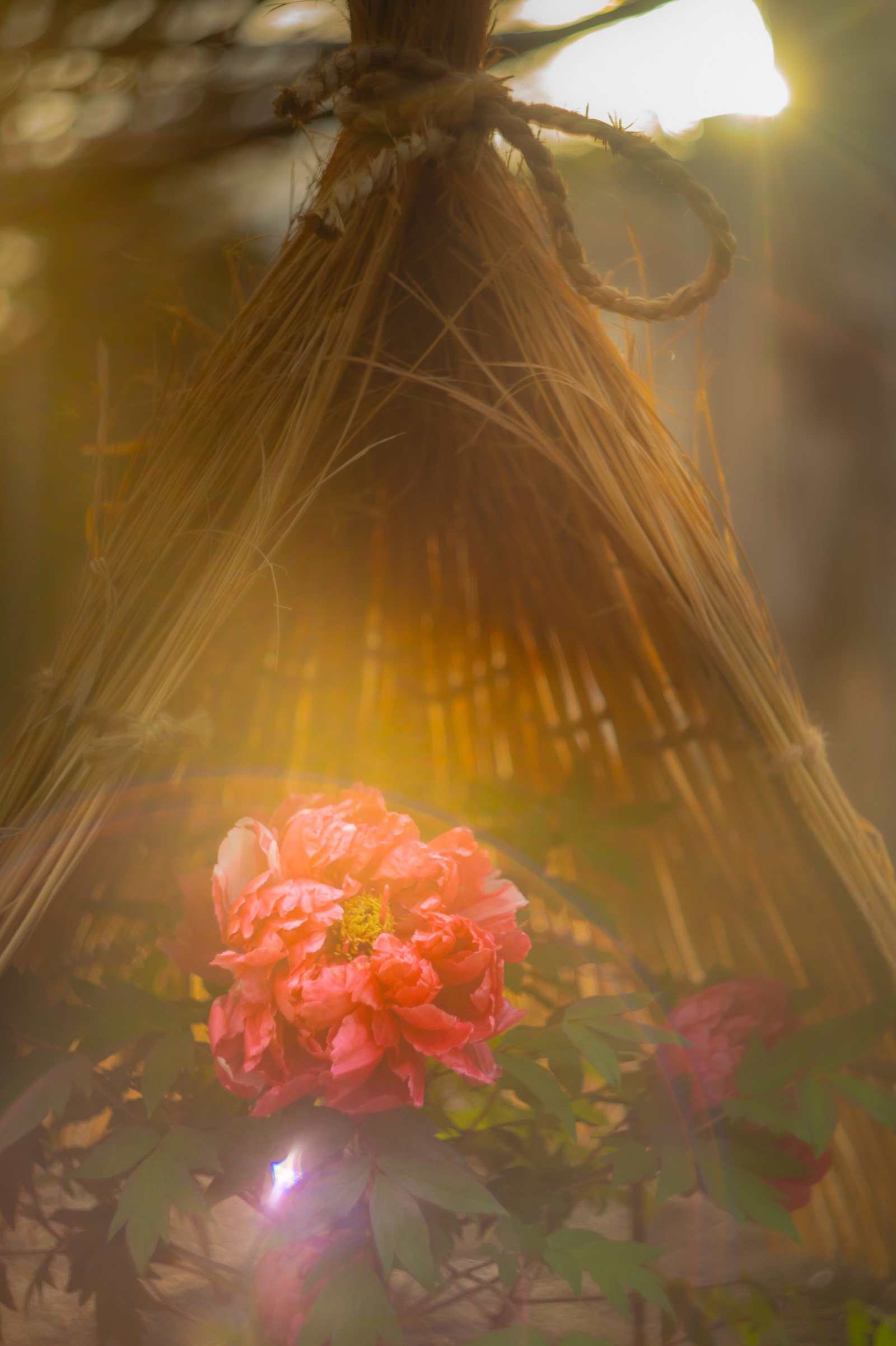
I offer this quiet moment of winter peonies, sheltered under their straw cloches, as a silver-halide print on FUJICOLOR's finest photographic paper. Framed on your wall, it brings the stillness of the season into everyday life. Worldwide shipping available.
💾 A digital download is also available ($4.00 each). Bundles cost less: 3 for $10.20, 5 for $15.00 ($3.00 each) — mix any photographs you like.
View the print →