
HOW-TO
Shooting Morning Mist and the Magic Hour ― The Light of Dawn and Dusk
The loveliest light of the day lasts only a few dozen minutes ― the 'magic hour' around sunrise and sunset, when the sky changes colour by the moment, mist rises, and the world is wrapped in soft gold. Rising early is hard, but those few minutes are worth returning for, again and again. Here is the practical side of seizing the mist and the light.
When does the mist appear?
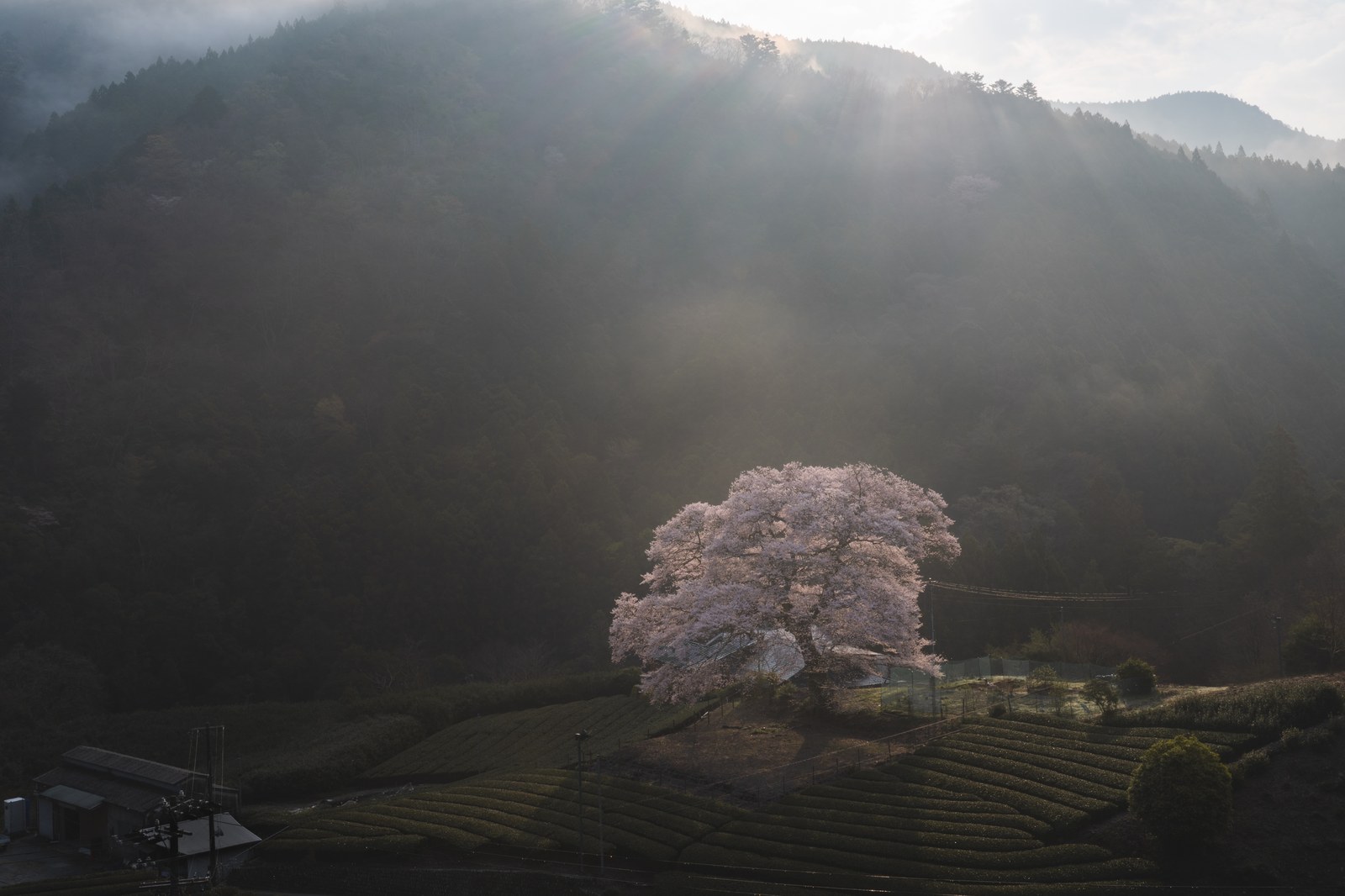
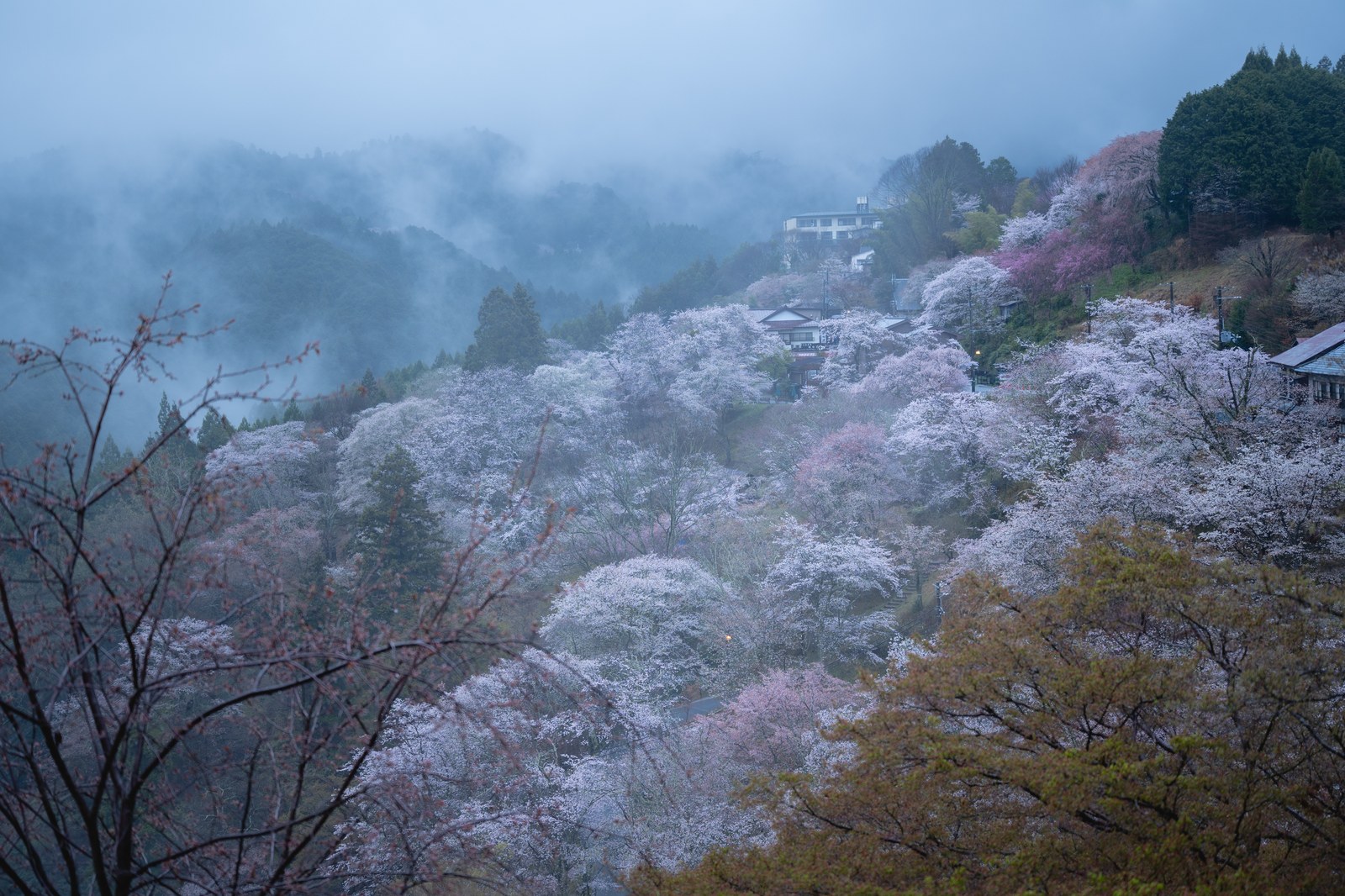
Morning mist is born when several conditions meet: a clear morning chilled by radiative cooling, air left damp by the previous day's rain, and the nearness of water ― a river, a lake, a paddy field. The weaker the wind and the wider the gap between night and morning temperatures, the thicker the fog. Mornings when a lone cherry in a tea field or a highland marsh floats in mist are the gift of a day when these conditions overlap. When the forecast says 'cold tomorrow morning, rain tonight,' it is worth the early rise.
Bring a scene from this guide home
Each is a real photograph from this guide’s season, printed in Japan on FUJICOLOR professional paper.
More on technique and gear
The same tools, the same light. Read on and the craft joins up.
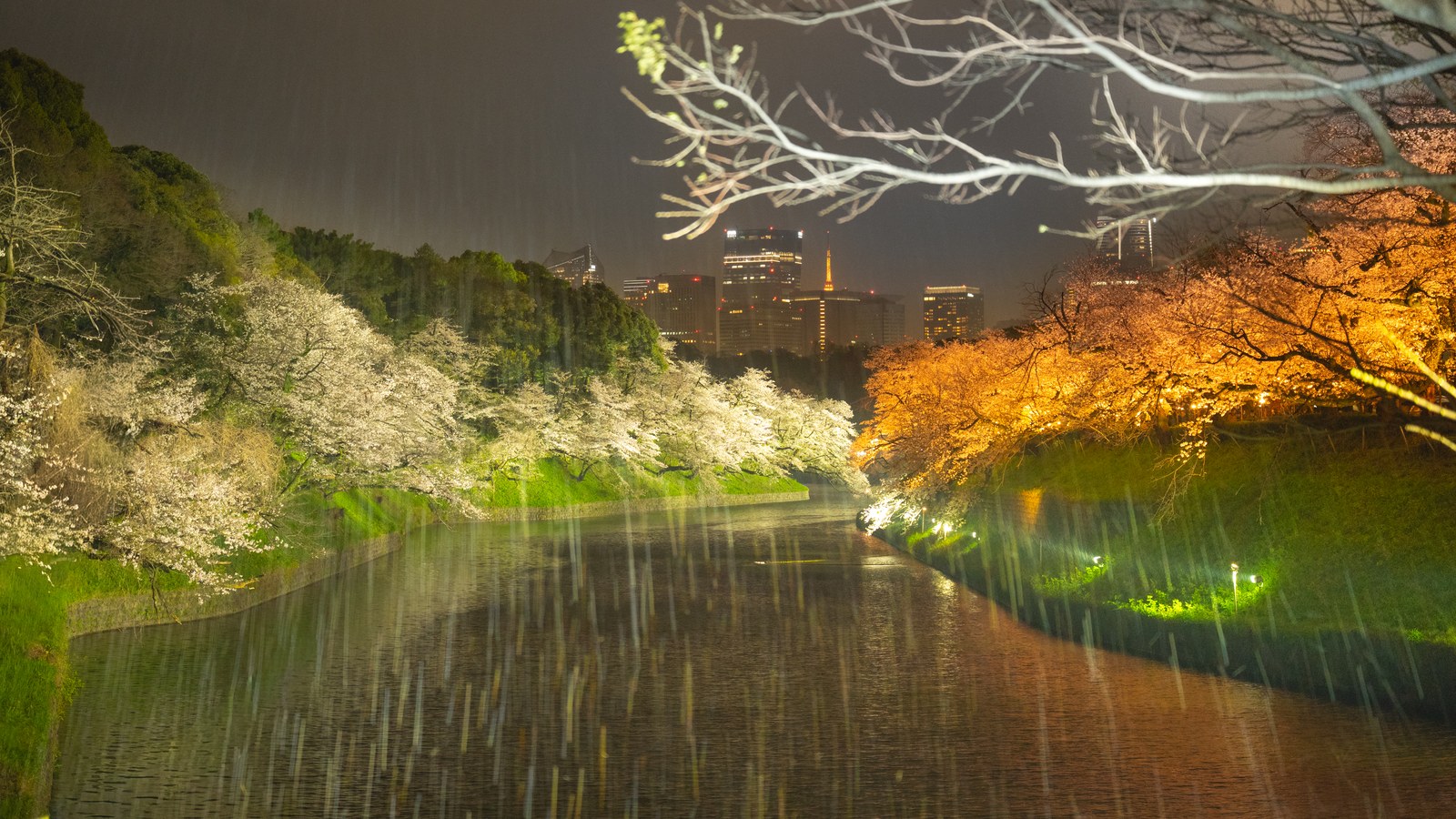
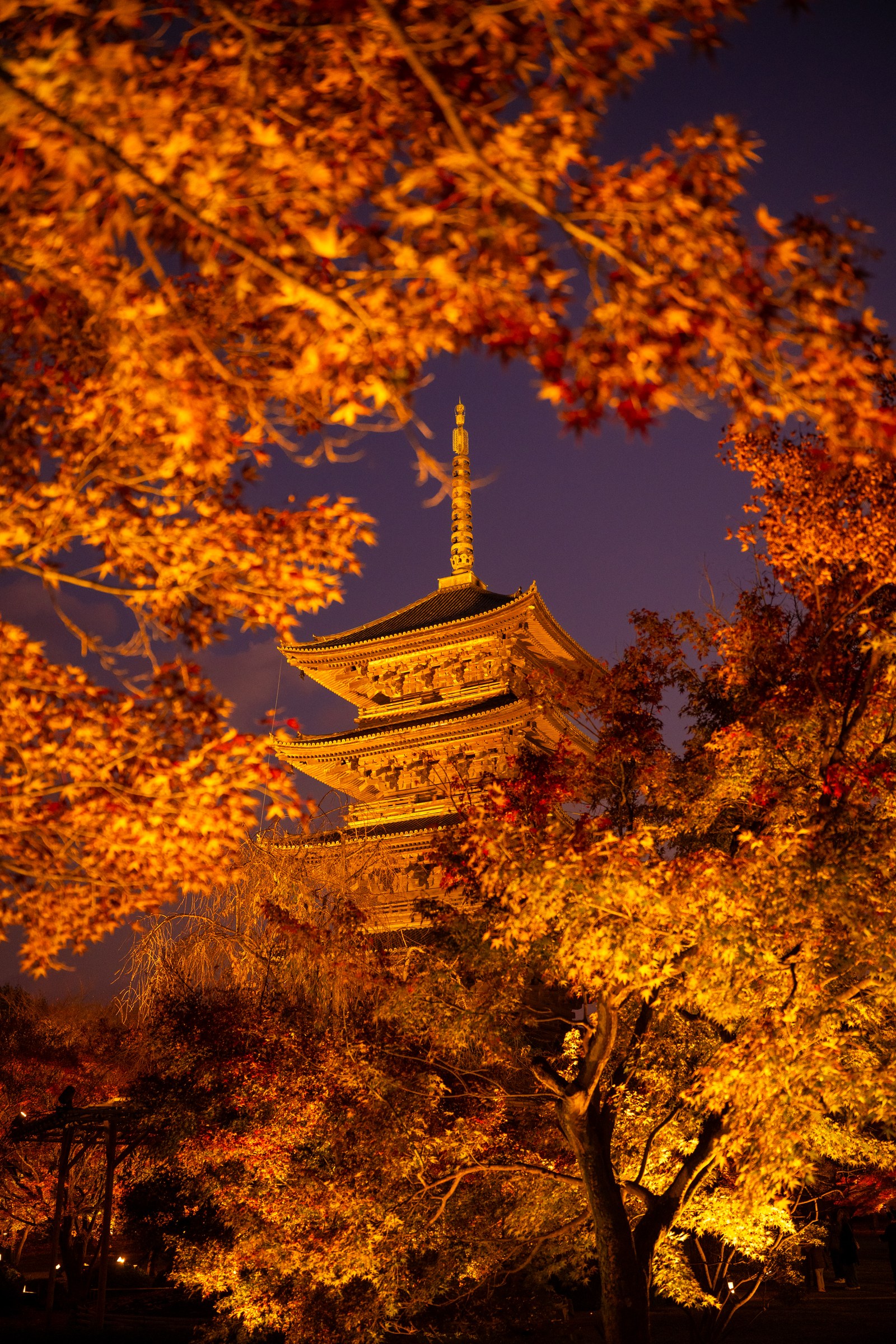
The shift of light around sunrise
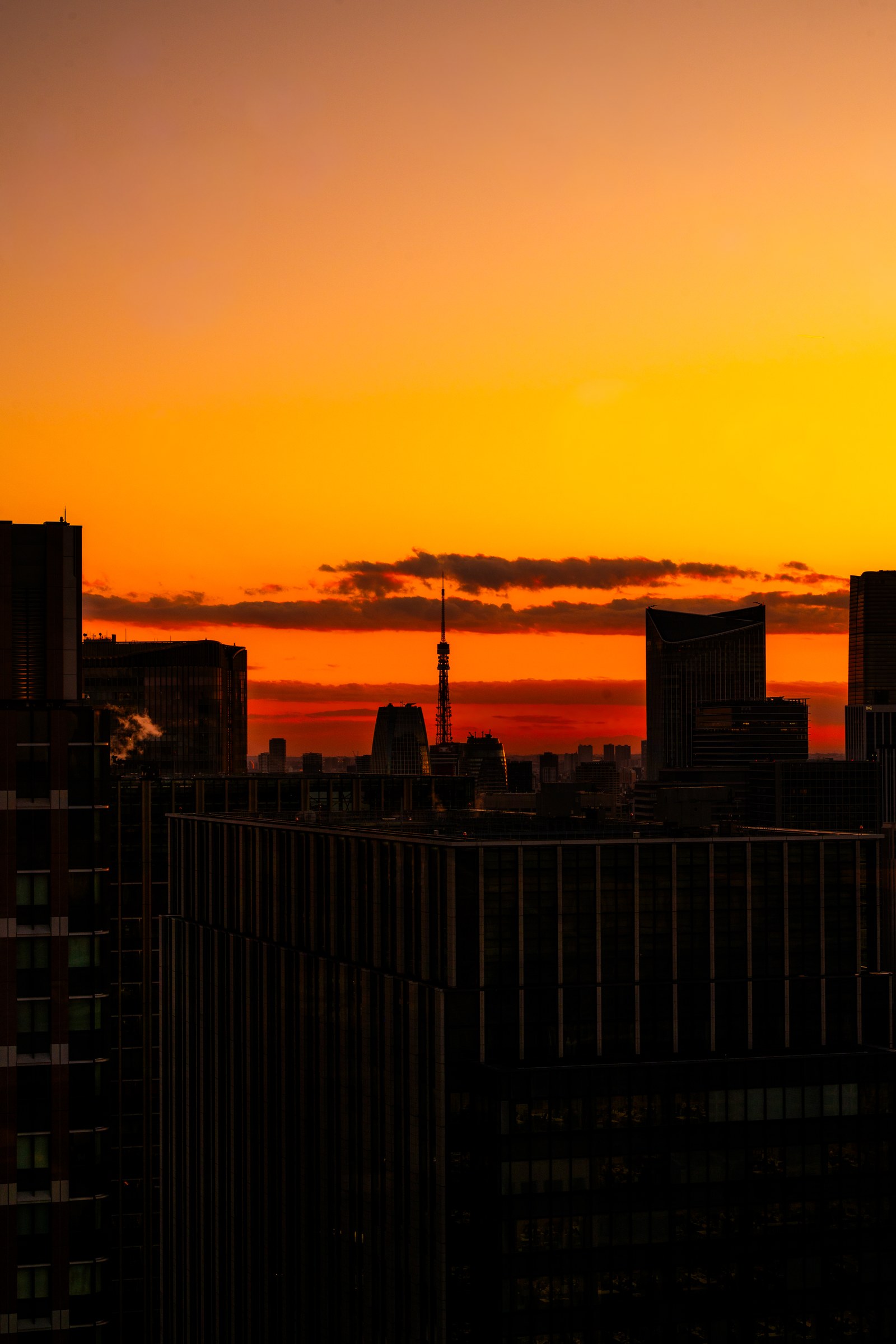
The magic hour changes its face by the minute. About thirty minutes before sunrise comes the 'blue hour,' when the sky sinks into blue. Then the eastern sky turns from pale pink to gold, and at the moment the sun appears, long shadows are born across the world. The light each photographer seeks differs, but for mist, the most dramatic is backlight ― the sun risen and lighting the fog from behind. Light scatters in the droplets and rays break through, a frame you can only make in this hour.
Exposure ― rein in the tendency to brighten
Misty scenes are pale, so the camera mistakes them for 'too bright' and renders them dark. When the result is darker than you saw it, push exposure compensation to the plus side. Conversely, to keep deep colour in a sunset sky, pull it to minus and the tones come through rich. Where the contrast is high at dawn and dusk, give priority to not blowing the highlights. When in doubt, shoot a little dark and lift it later ― it is the safer path.
The loveliest light is the briefest.
So the planning begins the night before.
Preparation decides everything
The magic hour will not wait. Arrive while it is still dark, fix the composition, set the tripod. This 'front-loaded' preparation decides a contest of mere minutes. Check the time and direction of sunrise or sunset on an app beforehand, and confirm footing and safety while there is still light. Bring gloves for cold mornings when fingers stiffen, and a cloth for the dew that fogs a lens. It is the same 'eighty percent is preparation' as the emergency room: readiness keeps you calm, and calm brings the better frame. For the basics, see how to photograph flower landscapes.
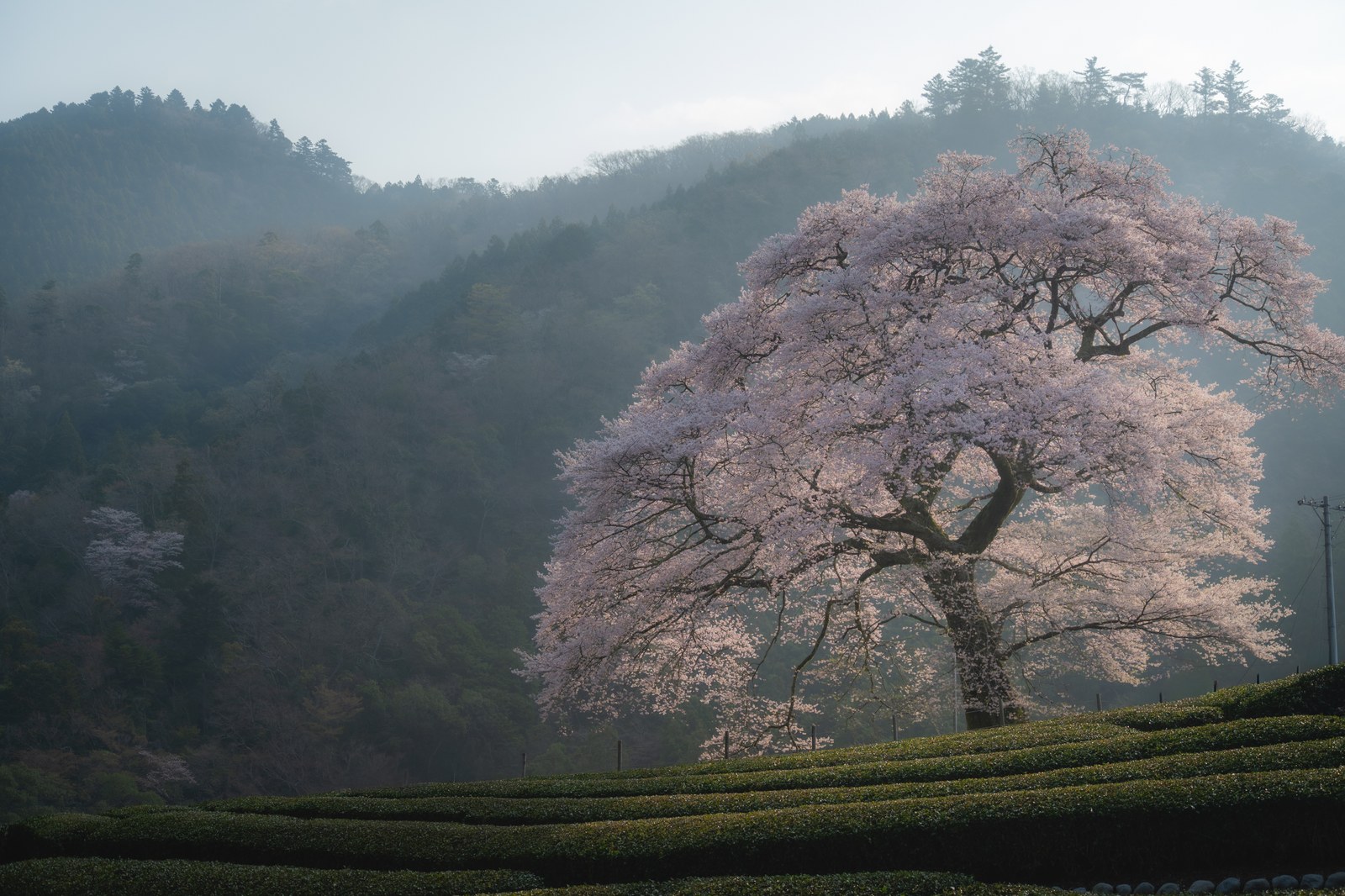
The cameras and tripods I use for these misty and golden-hour prints are gathered in the gear guide ― a useful reference if you are taking on dawn photography.
🖼️ Choosing a frame (with inner and outer dimensions)
See the gear guide →