
GEAR REVIEW
Nikon Z f Review — I Chose It for the Way It Looks
Let me start with the honest part. What decided this camera for me was the way it looks. Not a specification comparison it happened to win. Is that a frivolous way to choose? I do not think so, and this review explains why.
As an Amazon Associate, Ikebanadoctor earns from qualifying purchases. If you buy through these links, a small part of the sale helps support our work — at no extra cost to you. We only feature tools we genuinely use and can wholeheartedly recommend. These links point to Amazon Japan, where these items are sold.
The deciding factor was its appearance
Honestly the specification is beyond reproach, but what I like is how it looks. It has a classic elegance, and that was the deciding factor.
— IkebanadoctorThe specification is beyond reproach — and, that being so, appearance decided it. The order matters. This is not choosing an underpowered tool because it is pretty; it is choosing on looks only once every candidate is already good enough that none of them would let you down.
More on technique and gear
The same tools, the same light. Read on and the craft joins up.
Why that is a sound way to choose
A camera you want to take out with you matters as a criterion. Nothing begins unless you carry the camera out and shoot, and putting in the sheer number of frames is, I think, the shortest route to getting better.
— IkebanadoctorOf everything that makes a photographer better, equipment is a modest share. What moves the needle is how many frames you have made. And the number of frames is decided not by a spec sheet but by whether the camera left the house with you today. A camera you do not feel like carrying scores zero pictures that day, however capable it is.
Which makes "do you want to take it out?" not a sentimental question but a practical predictor of how much you will shoot. Liking the way it looks is one of the most reliable ways to satisfy that predictor. It is exactly the criterion behind a tripod you are willing to bring, and behind whether one filter stays in the bag.
What "beyond reproach" consists of
I led with what decided it, so let me be clear about the rest: the inside of this camera is first class. It is precisely because the capability was already there that the final nudge could be left to appearance. Here is that capability, in the manufacturer's own published figures. Only official specification appears here; I do not write up handling impressions I have not actually given — that is this review's policy.
The core numbers are only half of it, so here are the features particular to the Z f, again from Nikon's own pages.
What that specification means for flower landscapes
Rather than leave it as a list of numbers, here is what can generally be read from the figures above. Not an account of how I personally work, but where each number actually bites in the field.
The best light of the day is also the least light of the day
In flower-landscape work the light is at its best around sunrise and sunset — which is also when there is least of it, and shutter speeds fall accordingly. This is where five-axis sensor-shift stabilisation (Nikon's figure: 8.0 stops) and a native ISO 100–64000 range earn their keep. A longer window in which handholding still works means more situations that never need a tripod at all.
The Z f adds focus-point VR. Nikon describes it as reducing blur near the focus point wherever the subject sits in the frame. Placing a flower near the edge and giving most of the frame to the landscape behind it is everyday practice in this genre, so stabilising around where you actually put focus lines up neatly with how these pictures get composed.
24.5 megapixels paired with EXPEED 7
24.5 megapixels is not a high-resolution figure by current full-frame standards. But with printing as the goal, that is headroom rather than shortfall: a larger area per photosite favours high ISO, and the files stay light, so processing does not become a wait. The engine, meanwhile, is EXPEED 7 — the same one as in the Z 9 and Z 8. What sits under the classic exterior is the same generation of processing as the flagship bodies, and that says more about this camera's character than anything else on the sheet.
Autofocus is a 273-point hybrid system (phase-detect and contrast) with a detection range of −10 to 19 EV. That lower bound is precisely the pre-dawn darkness in which you are asking a camera to find focus at all. Nine subject-detection types are supported: people, dogs, cats, birds, cars, motorcycles, bicycles, trains and aeroplanes. Flowers themselves are not on that list, but a person placed in a field of them, or a bird that comes to feed, falls squarely within it.
Black and white you go out to shoot, not something made afterwards
The top plate carries a dedicated lever that switches to monochrome shooting instantly, and the Picture Controls offer Monochrome, Flat Monochrome and Deep Tone Monochrome. This is not a way of draining colour after the fact; it is a route to seeing in black and white before the shutter. Take colour away and what remains is light, form and tonal separation. Flowers are a subject where colour easily takes over, so being one flick away from a view that cannot rely on it is a genuinely interesting piece of design — good practice for composition, if nothing else.
Days when the gear gets wet, and video
The front and top covers are magnesium alloy, with dust and drip resistance equivalent to the Z 8 and an operating range of 0°C to 40°C. Hydrangeas after rain, or early spring with snow still lying, are shoots where the camera is going to get wet by definition. Video runs to 4K UHD 60p and Full HD 120p, with a maximum recording time of 125 minutes — ample for keeping thirty seconds of flowers moving in the wind alongside the stills.
That is what "beyond reproach" consists of. Turn it around and it says something else: because every candidate had reached a level where none of them would let me down, the final nudge could be left to appearance. Choosing on looks once the capability is there is not laziness — it is a matter of order.
The drawbacks of choosing on looks
Having admitted the deciding factor, here is the other side of it.
On the grip: with something a little heavy like a 24-70mm mounted, long periods of holding it tire the fingers. I have added Nikon's own Z f-GR1 extension grip, which deepens the hold and steadies the camera (and still works with a tripod plate fitted). It is listed in the gear guide.
And this is character rather than fault: classic dial-led operation divides people. Setting exposure from dials on the top plate feels excellent once it is second nature and roundabout before that. Handling one in a shop is the only reliable test.
Pairing it with old glass
A camera with classic looks that genuinely takes classic lenses is a pleasure. I keep a SHOTEN M42-NZ adapter on mine and move Soviet-era HELIOS-44-2 58mm F2 glass on and off it. Focus and aperture become fully manual, but gaining a whole additional rendering is a different kind of fun from buying another modern lens.
What came back from carrying it
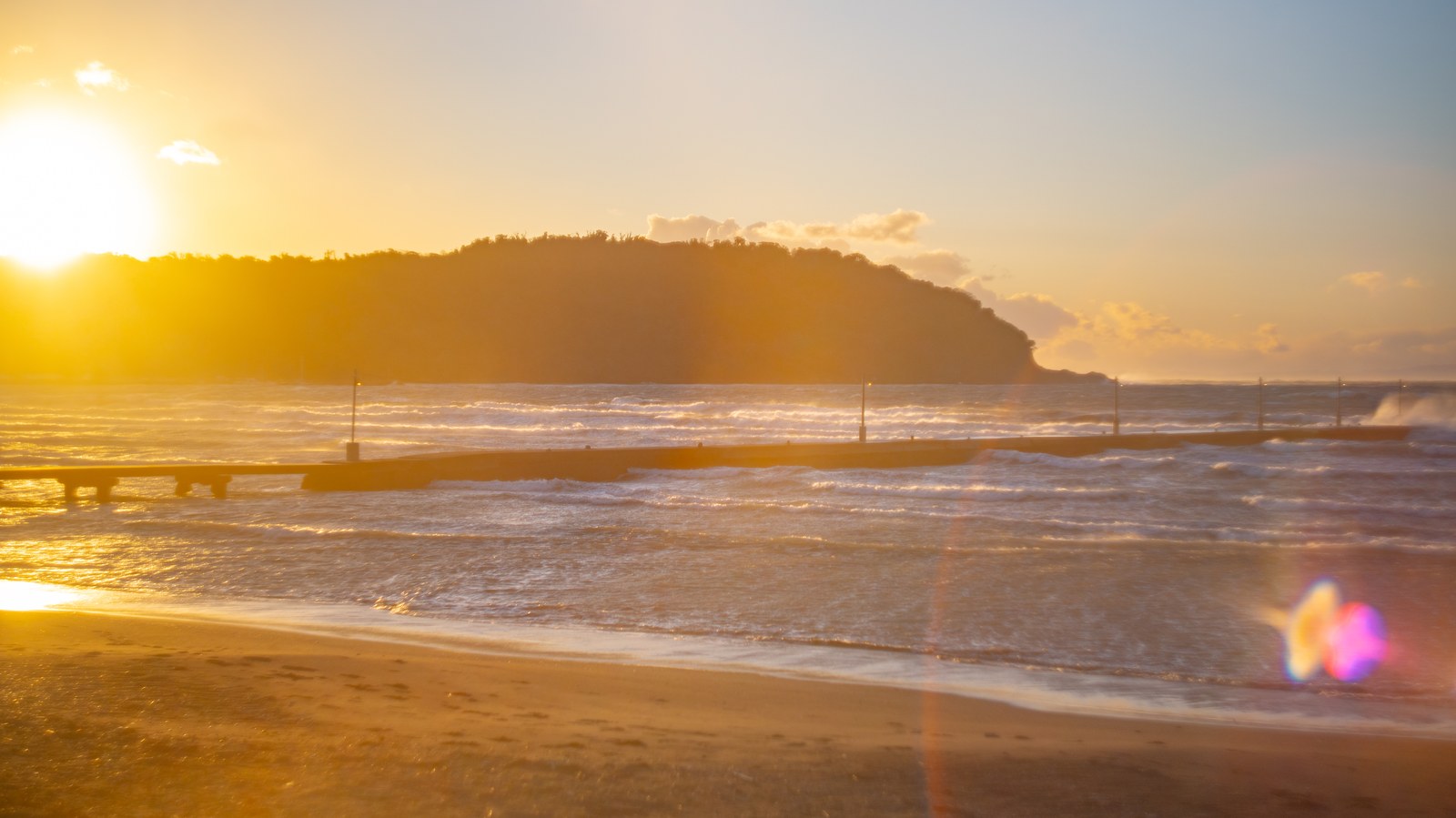
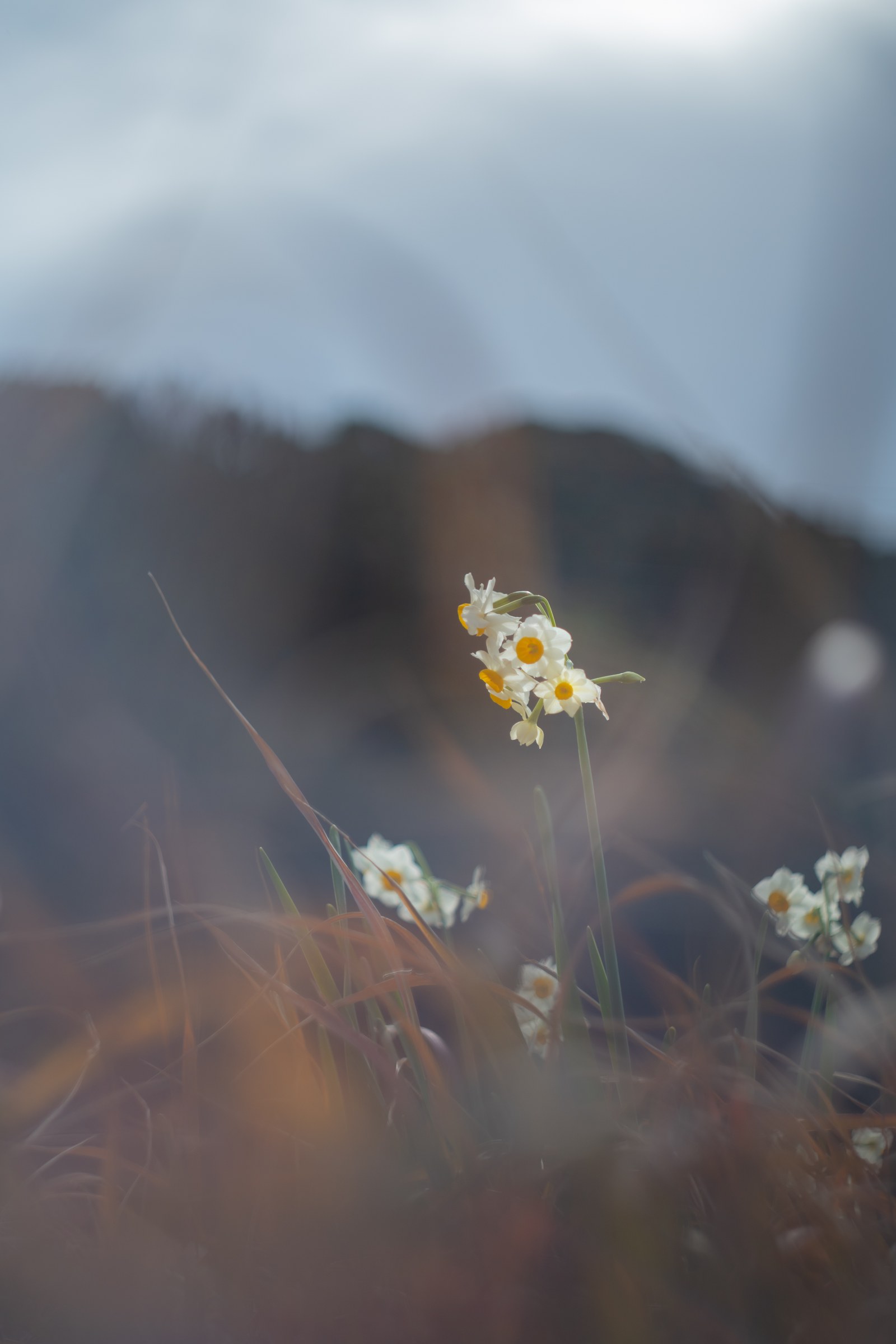
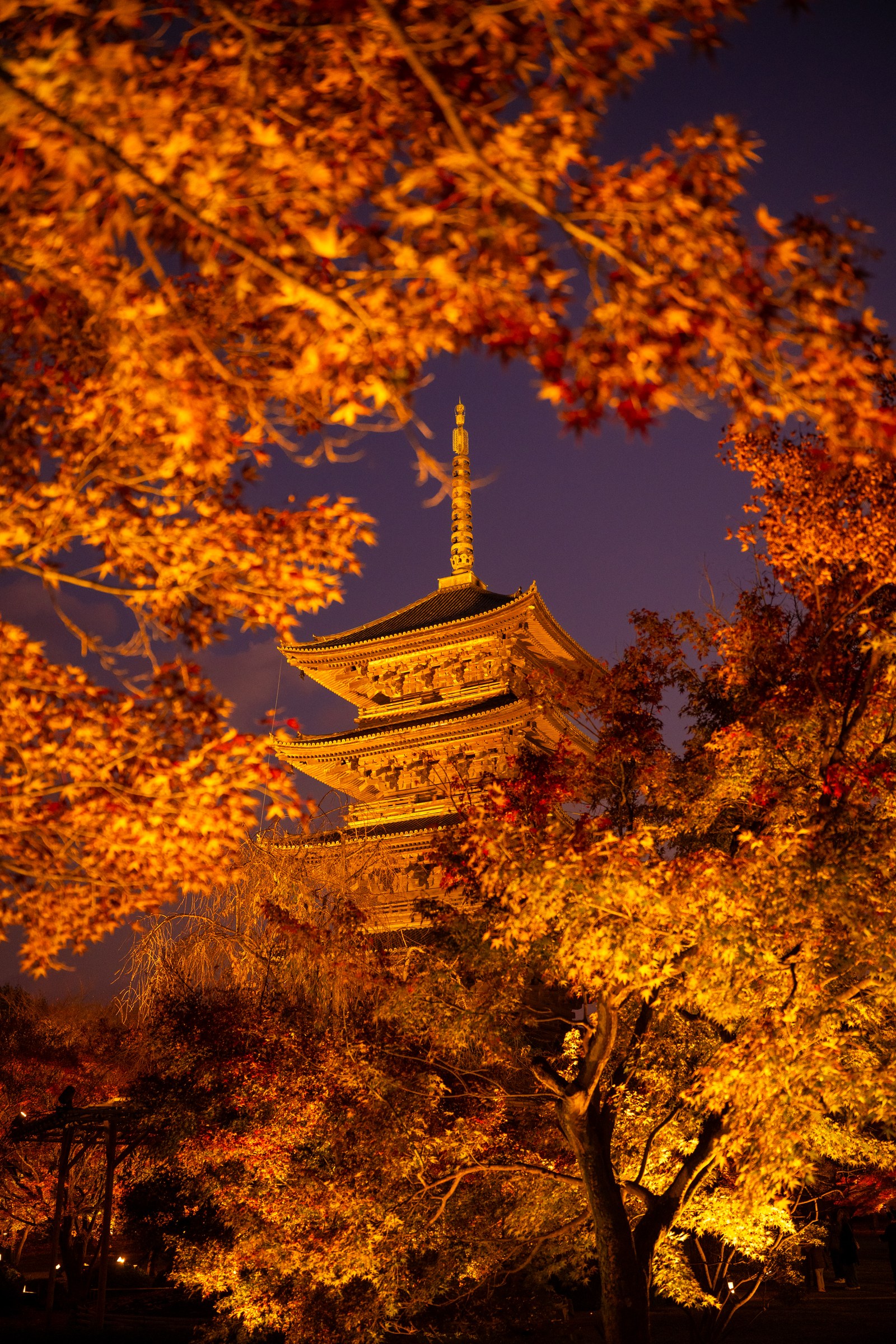
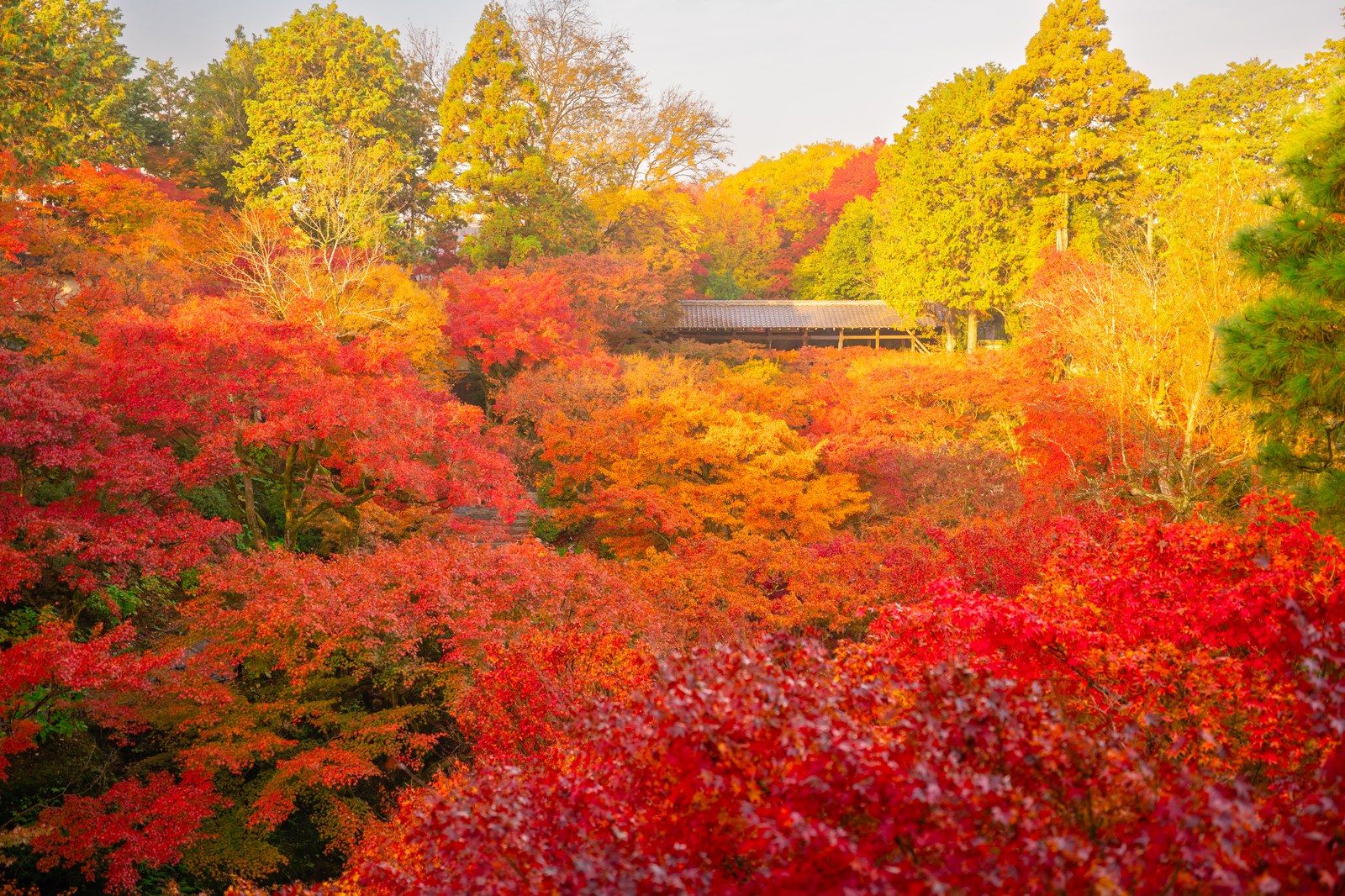
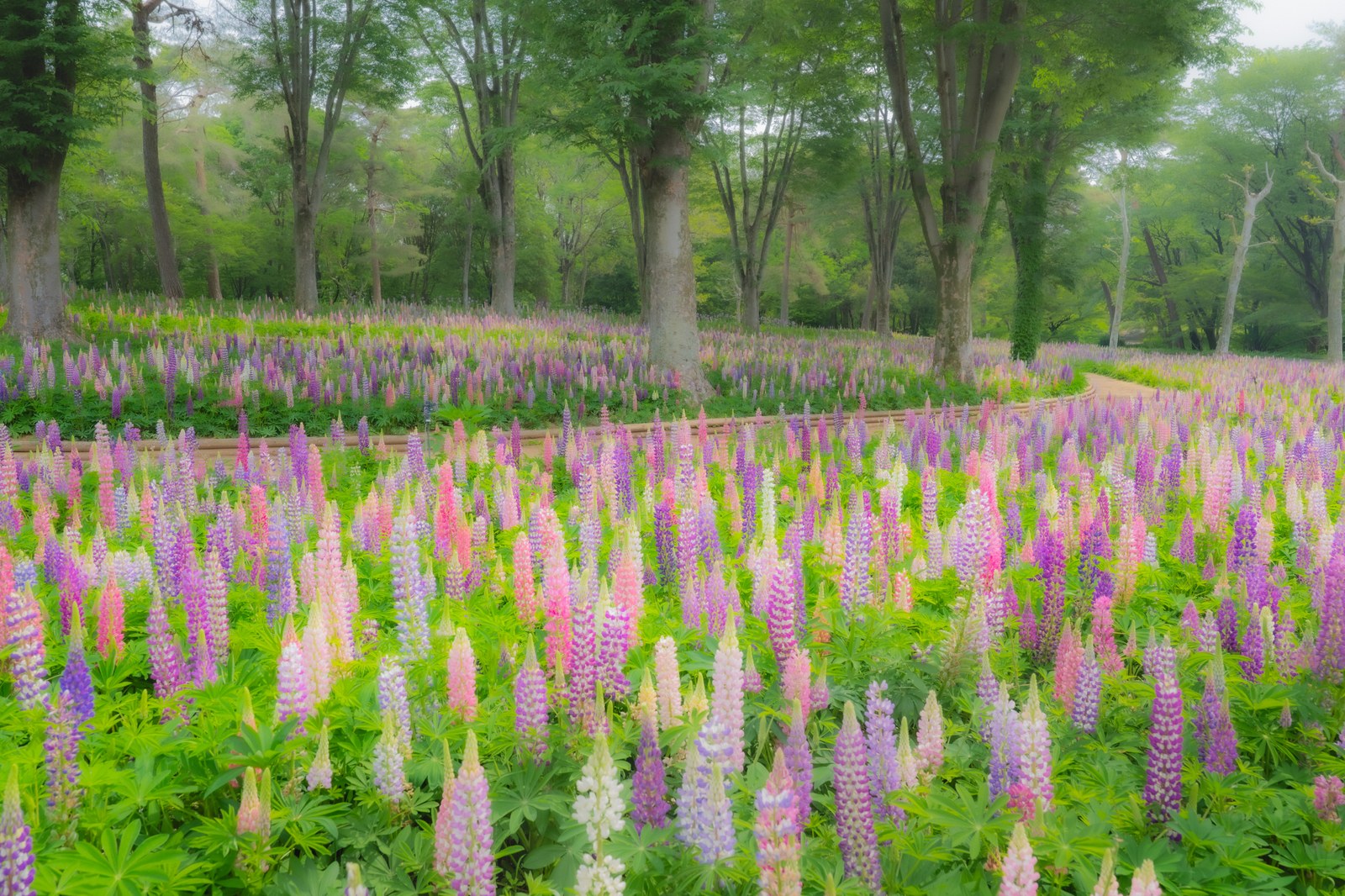
In the end a camera is judged by how many times you went out with it. These are prints made on those days out.
Three frames from days out
Fuji at dawn, autumn in Kyoto, lupines in early summer. Each exists because the camera left the house.
If you are buying one
Nikon Z f
Ikebanadoctor's main camera — as accomplished inside as it is handsome outside. The kit with the 40mm f/2 prime means you can start shooting the day it arrives; if you already have lenses you love, take the body alone.
If you already own lenses, the body alone; if this is your one camera, the kit is the faster start. The standard zoom, filters and tripod I use are in the gear guide.
The developing approach behind the photographs in this article is gathered into 30 presets for Lightroom / Camera Raw ($15.00 — a ZIP download straight after purchase).
View the presets →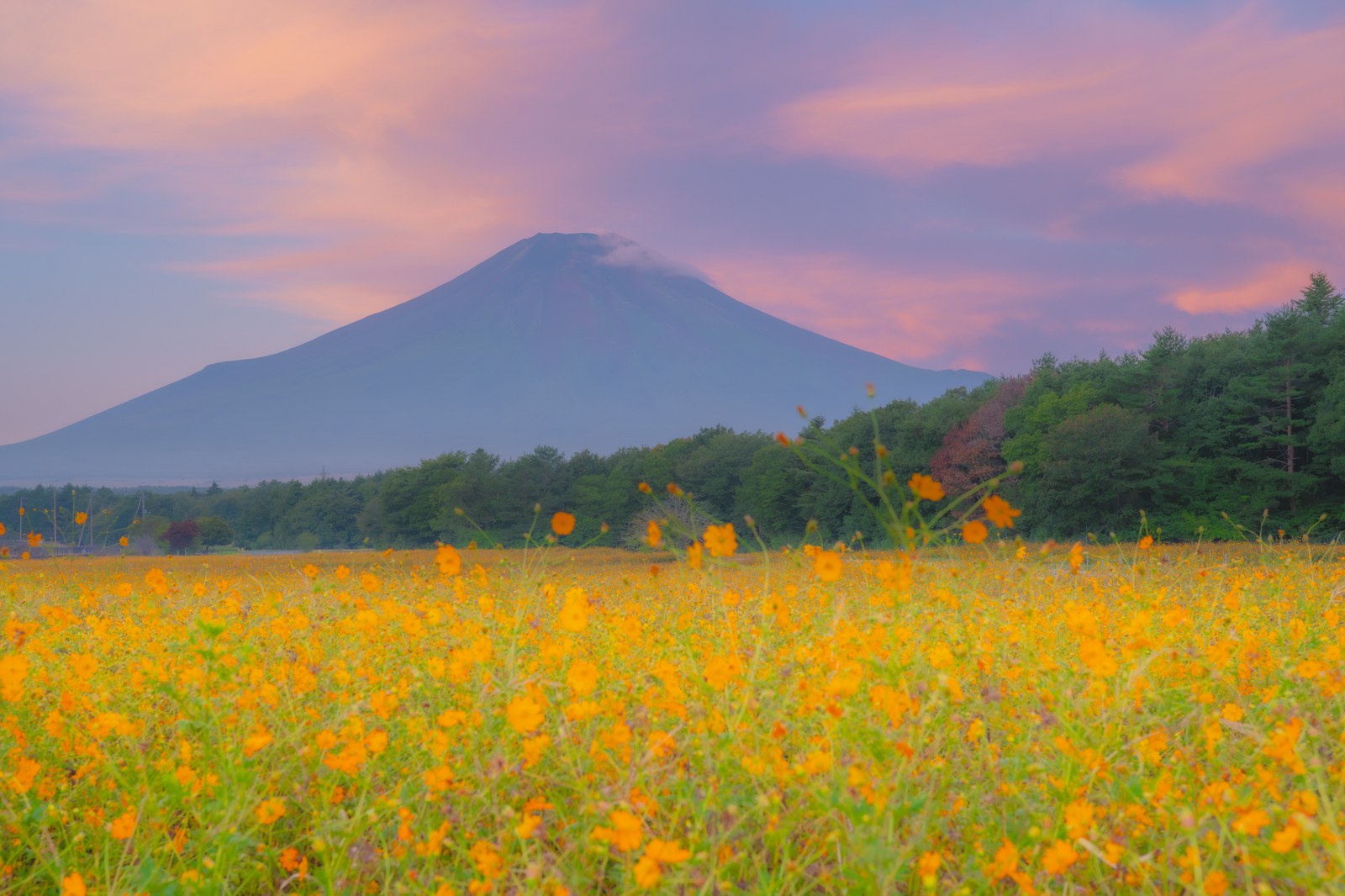
Dawn at Hana-no-Miyako Park in Yamanashi: Mt. Fuji in silhouette against a pink and violet sky, golden cosmos spreading at your feet. The kind of frame that only exists because the camera came along. On FUJICOLOR professional silver-halide paper.
🖼️ Choosing a frame (with inner and outer dimensions)
💾 A digital download is also available ($7.00 each). Bundles cost less: 3 for $17.84, 5 for $26.23 ($5.25 each) — mix any photographs you like.
See Golden Cosmos and Mt. Fuji at Dawn →