
GEAR REVIEW
SLIK Light Carbon E64 II Review — The Tripod I Am Willing to Bring
Choosing a tripod comes down to where you settle a trade-off: sturdier means heavier, lighter means less certain. I use this one because it settles that trade unusually well. Here is what decided it, what the published numbers are, and where the limits sit.
As an Amazon Associate, Ikebanadoctor earns from qualifying purchases. If you buy through these links, a small part of the sale helps support our work — at no extra cost to you. We only feature tools we genuinely use and can wholeheartedly recommend. These links point to Amazon Japan, where these items are sold.
A tripod left at home has zero capacity
Of all camera gear, the tripod is the one most often left behind. It gets weighed at the front door, and if it is heavy it stays. And a tripod that stays home has a load rating of zero that day. However rigid it is, it changes no photograph it is not present for. So a tripod's specification has to be read together with one further question: can you actually carry those numbers every time?
Mobility is everything, so what matters is a product you feel like carrying. This tripod is a piece of kit I feel fine about bringing along.
— IkebanadoctorMore on technique and gear
The same tools, the same light. Read on and the craft joins up.
Published specification
What decided it — having both at once
Weight and capability are a trade-off, I think, but this one manages both: it reaches a very tall height, it is stable, and even so it is not too heavy. An exquisite balance.
— IkebanadoctorThose three points happen to be the three that matter most when reading any tripod's spec sheet. Briefly, in order.
Height is really a question of posture. A short tripod means stooping to the finder, and on a long wait that alone erodes your concentration. One that reaches eye level lets you build the composition standing up. Flower work also means shooting from just above the ground, so "goes high and goes low" translates directly into the range of pictures available.
Stability is decided at full extension. Run any tripod out to its catalogue height and the thinnest section starts to matter. If it wobbles there, that height is effectively unusable.
Not too heavy is, as above, the condition for getting the other two to the location at all. Having all three at once is rarer than it sounds.
In use
It works without trouble in most situations. Unless the conditions are really extreme, there is no problem.
— IkebanadoctorThat is the honest verdict. Not "best in every situation" — "no trouble in most situations". For a working tool that is already a high score, because what you need day to day is not peak performance but never having a day where it fails you.
What counts as "really extreme"
Let me draw the line clearly. I have not personally run into trouble with this tripod. So read what follows not as my experience but as the conditions where light tripods are generally understood to struggle.
The simplest way to make a light tripod stronger is to lower the centre of gravity. Keep the centre column down as far as possible — the more you raise it, the closer the tripod gets to a monopod on stilts. Extend the thick upper sections first and leave the thinnest for last. Hang your bag from the hook if there is one. A good deal of this is technique rather than a hard limit of the tool — including the decision, on a genuinely windy day, not to shoot at all.
Pictures that need a tripod
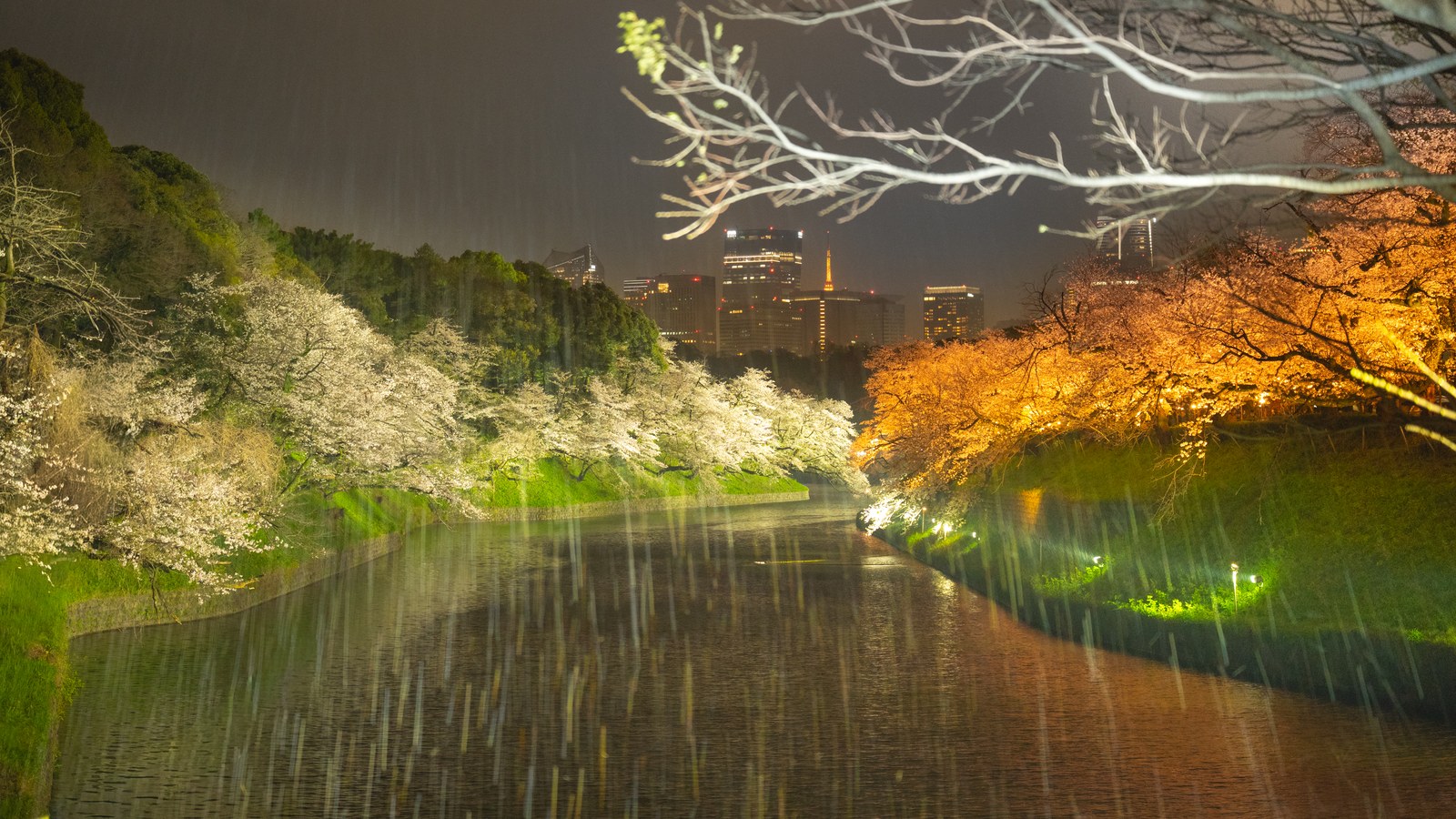
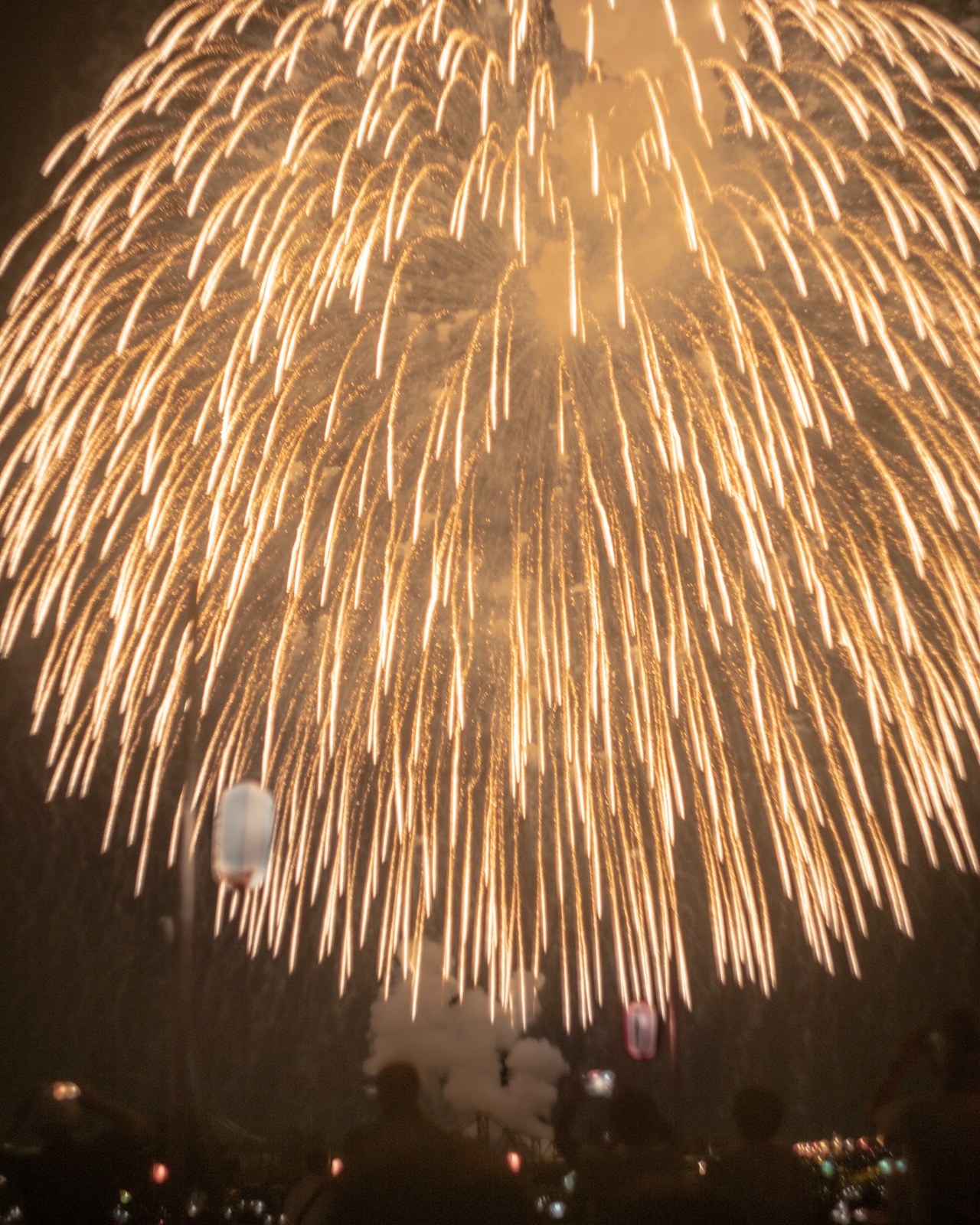
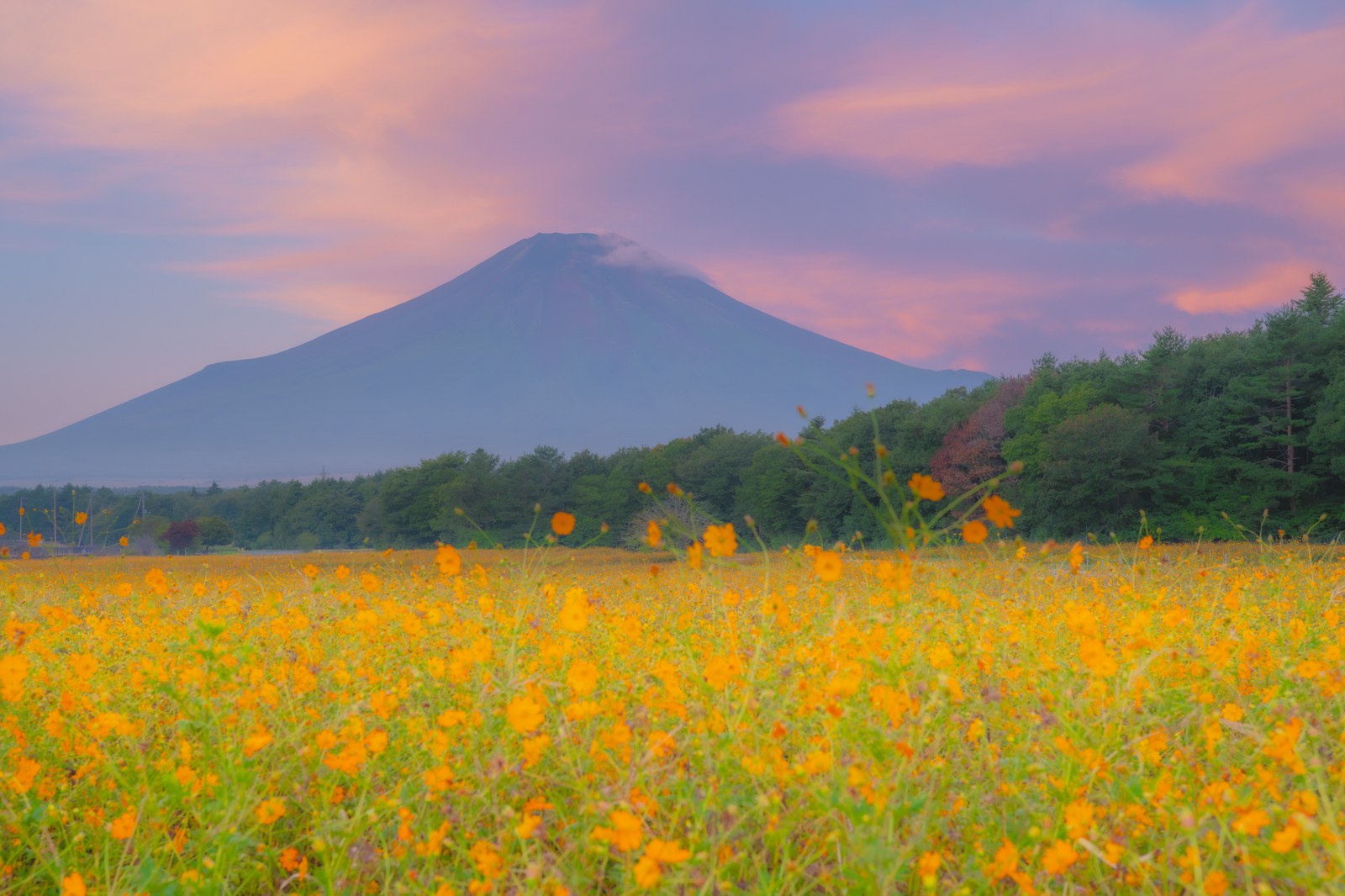
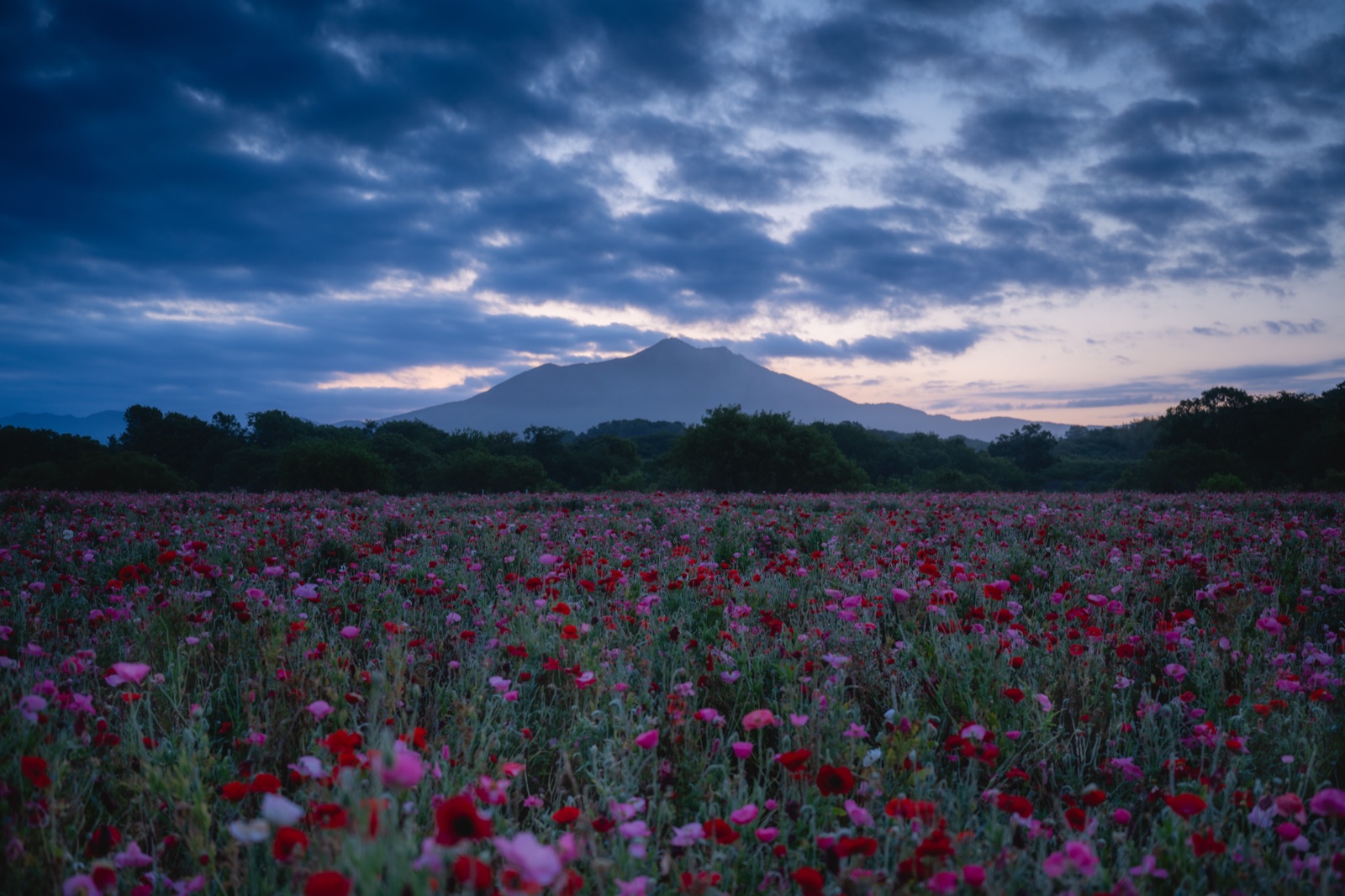
A tripod is not only for stopping shake. When you want to photograph the passage of time itself while the shutter is open, nothing else will substitute. All of these were made with the tripod planted.
Three frames made with the legs down
Each needed either a long exposure or a composition held still in the dark. Printed on FUJICOLOR professional silver-halide paper.
Night exposure, the small rituals that remove shake, and etiquette where tripods are banned are in Tripods and Night Photography. If this page reviews the tripod, that one is about what you do once it is standing. The "set it and do not move for two hours" approach that fireworks demand is in How to Photograph Fireworks — where the two example prints were in fact made handheld, and both roads are laid out side by side.
If you are buying one
SLIK Light Carbon E64 II
1,040g including the head, and 1,685mm at full height: light enough to carry, tall enough to work standing up. Not leaving it behind because it is heavy is what matters most for night work.
If you shoot vertical often, an Arca-compatible L-plate saves you from tipping the head sideways. The tripod accessories I use are listed in the gear guide.
The developing approach behind the photographs in this article is gathered into 30 presets for Lightroom / Camera Raw ($15.00 — a ZIP download straight after purchase).
View the presets →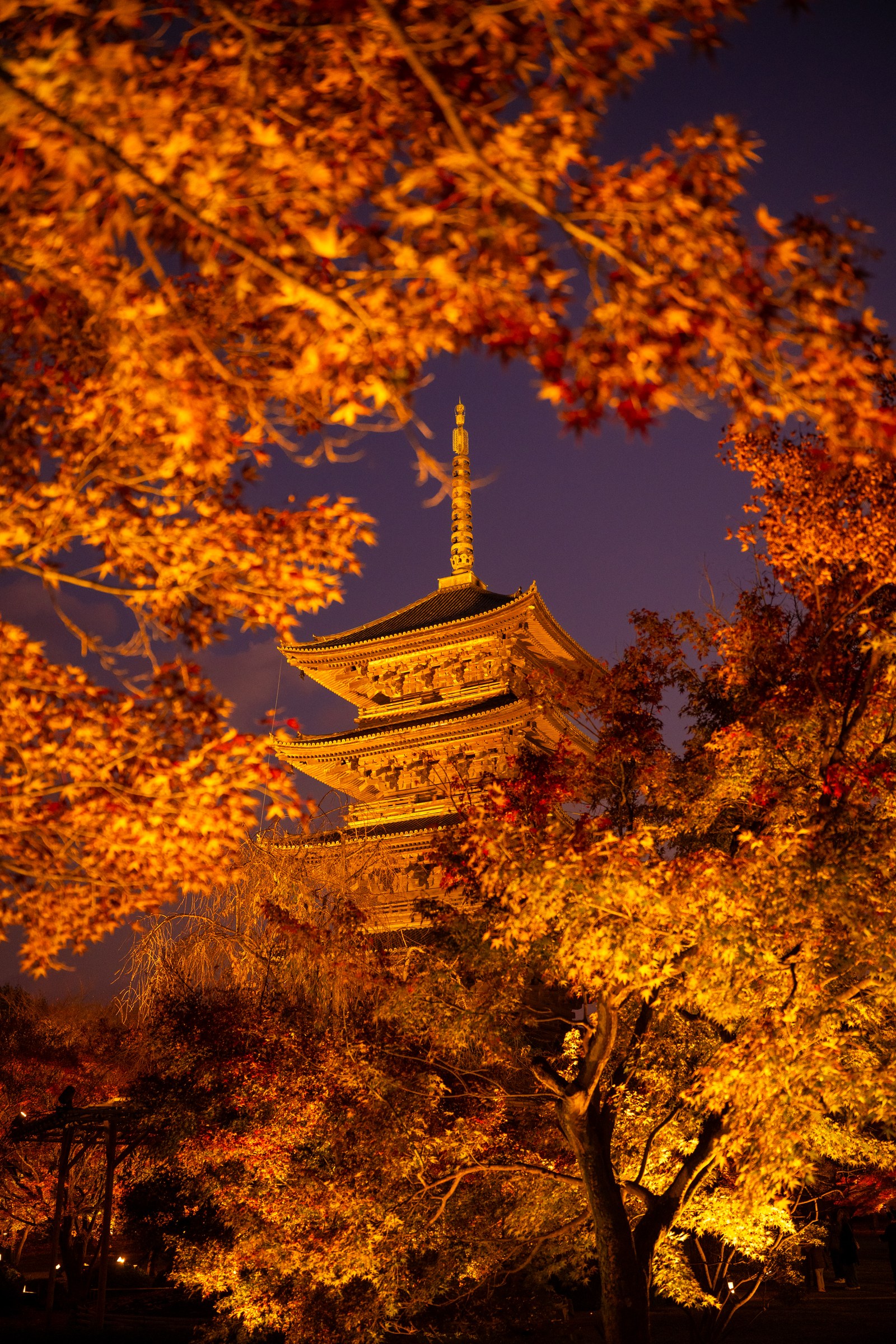
The image at the top of this page — Toji Pagoda at Night — is a photo-contest winner: the five-storey pagoda of a World Heritage temple glowing gold inside a frame of maples. Printed on FUJICOLOR professional silver-halide paper.
🖼️ Choosing a frame (with inner and outer dimensions)
💾 A digital download is also available ($7.00 each). Bundles cost less: 3 for $17.84, 5 for $26.23 ($5.25 each) — mix any photographs you like.
See the Toji night maples print →