
HOW-TO
How to Photograph Flower Landscapes ― 5 Tips on Light, Weather and Composition
"Will a good camera get me good photos?" I am often asked. The answer is half yes, half no. In flower landscapes, what matters most is not the gear but an eye that reads the light and a heart that can wait. As an award-winning photographer, and as a doctor who stands in an emergency room where every second counts, here are the five things I hold to when I photograph flowers.
1. Cloud over sun ― choose the soft light
In flower photography, a blazing clear sky is the harder opponent. Strong direct sun hardens the shadows and blows out the colour of the petals. Flowers look loveliest under a lightly overcast sky, where the cloud becomes a gentle diffuser and the true colour comes through deep and moist. Hydrangeas and autumn leaves are the prime examples of flowers whose colour sharpens in rain or just after. Think of the cloud symbol in the forecast as your chance.
Bring a scene from this guide home
Each is a real photograph from this guide’s season, printed in Japan on FUJICOLOR professional paper.
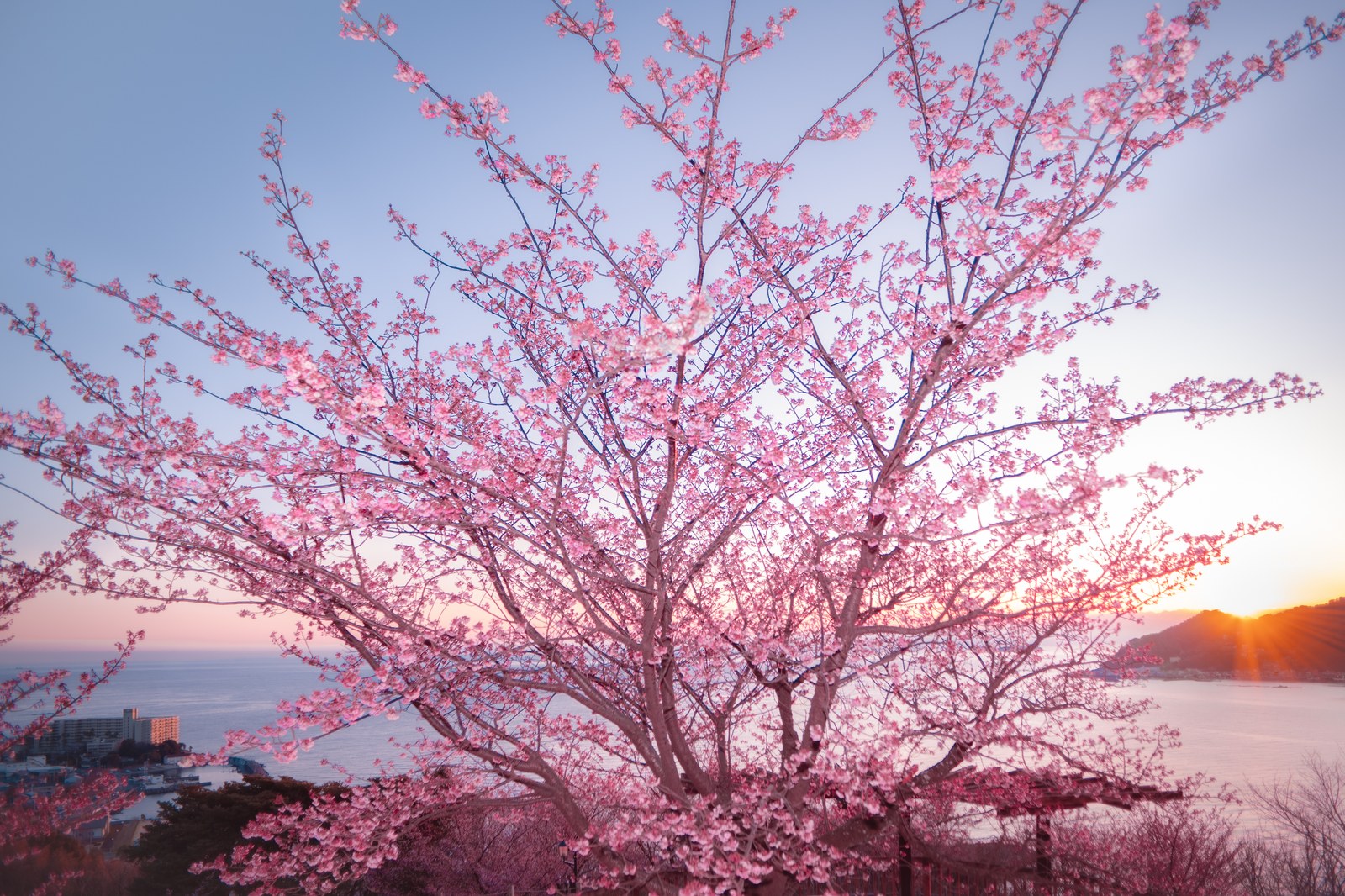
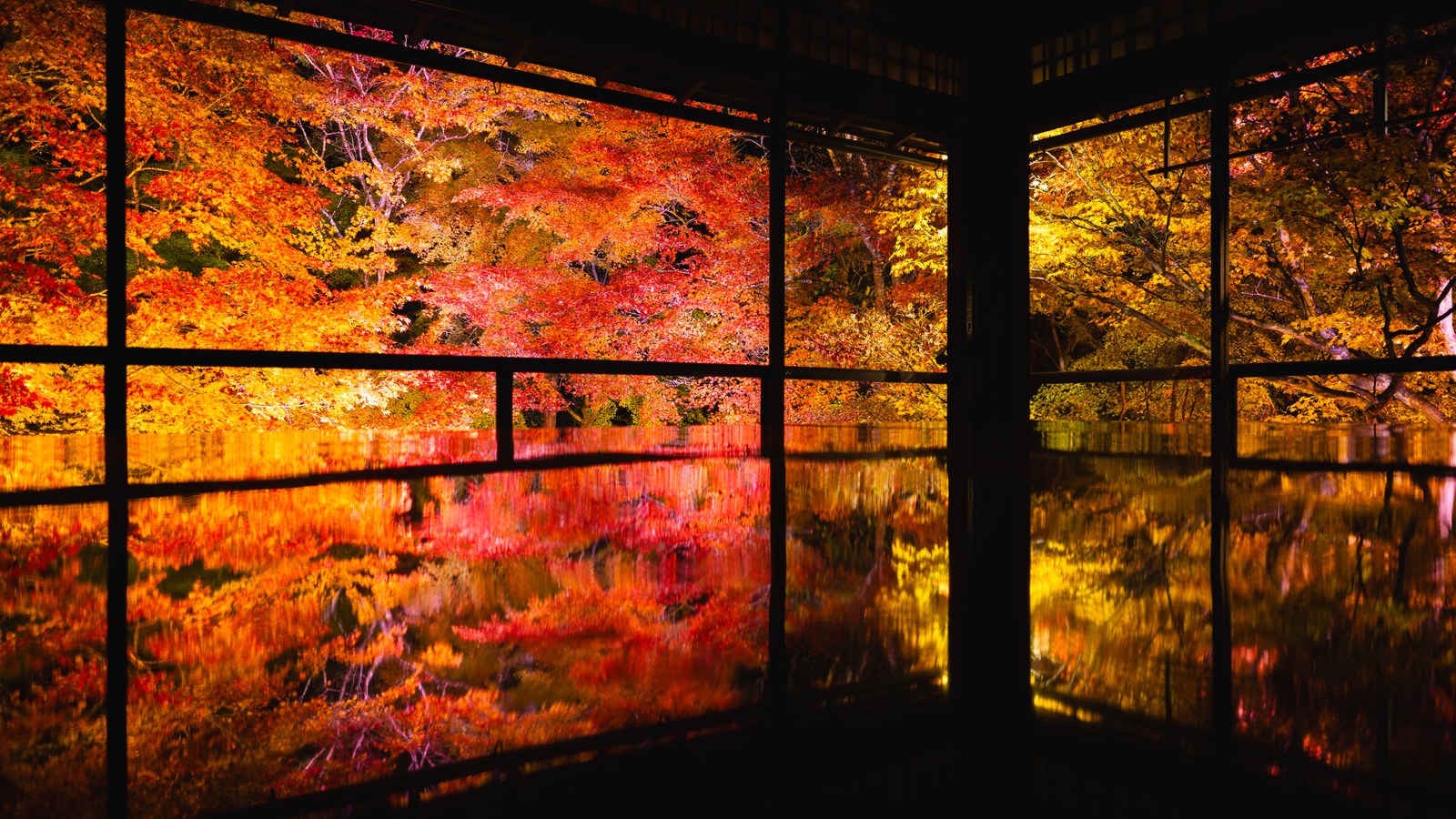
Spots shot with this technique
The same gear, the same settings — these guides were actually shot this way.
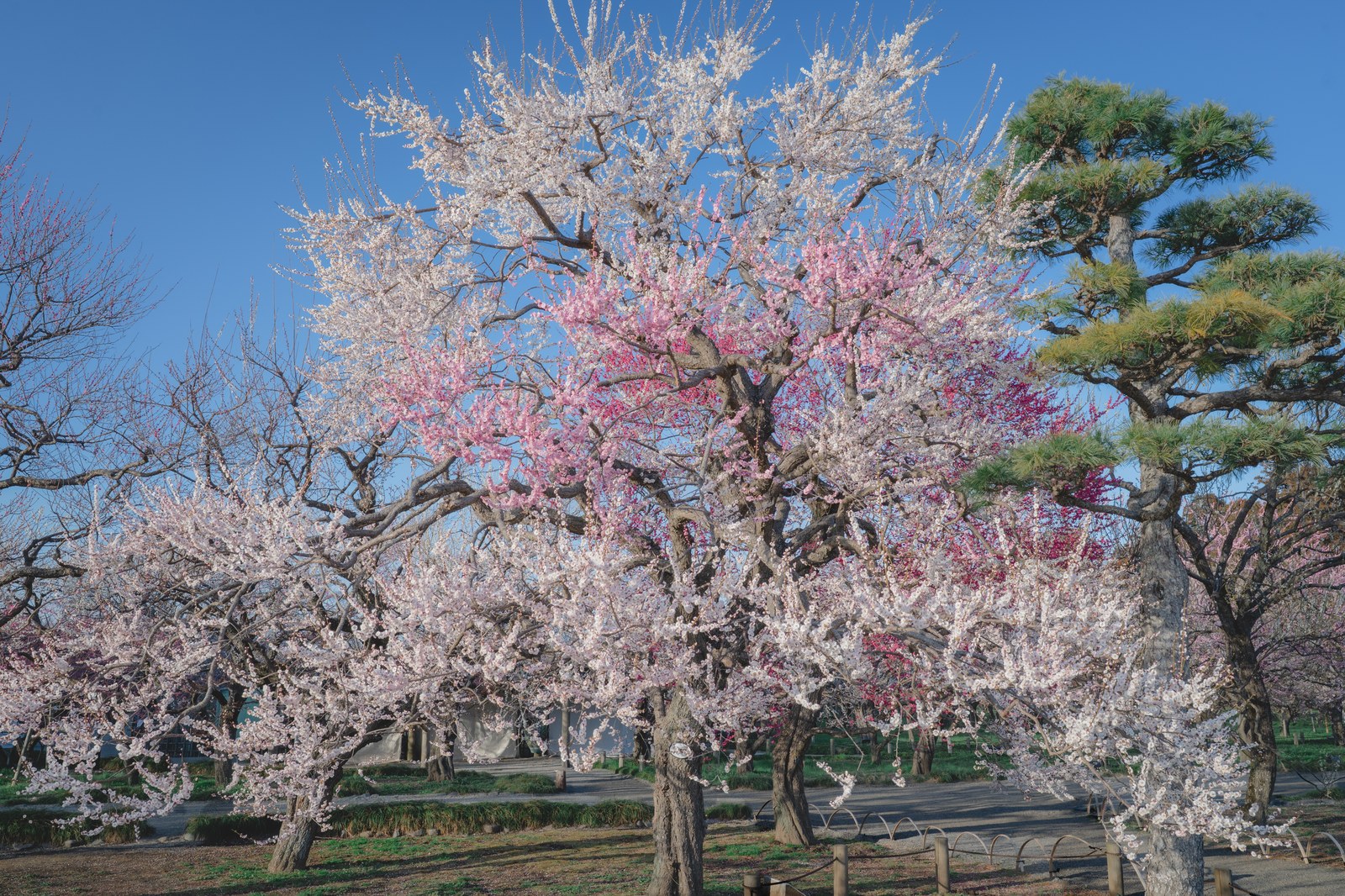 Red and White Plum at Kairakuen ― Early Spring in One of Japan's Great Gardens📍 Mito, IbarakiRead →
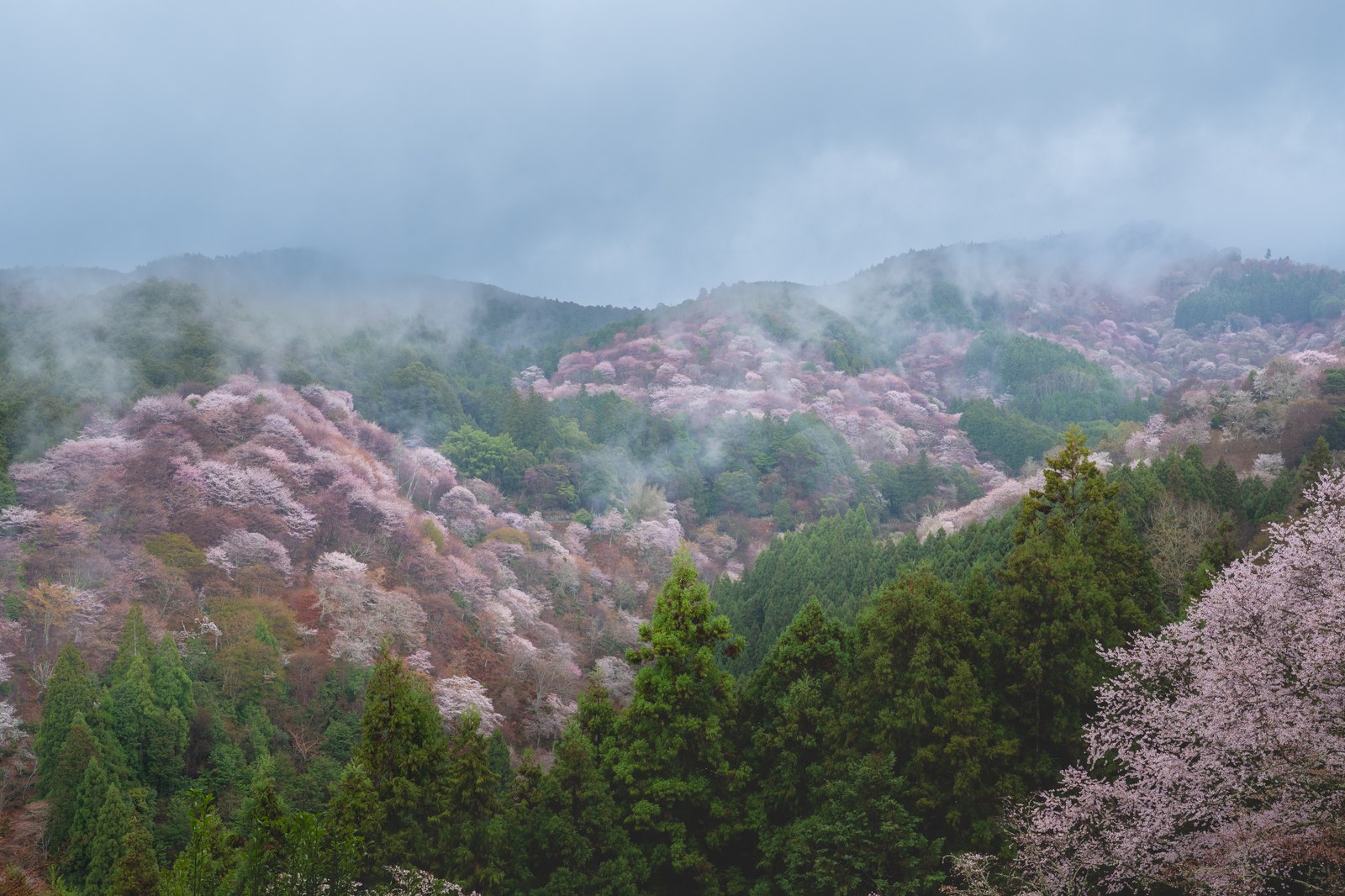 Cherry Blossoms of Mount Yoshino — A Thousand Trees at a Glance📍 Mount Yoshino, NaraRead →
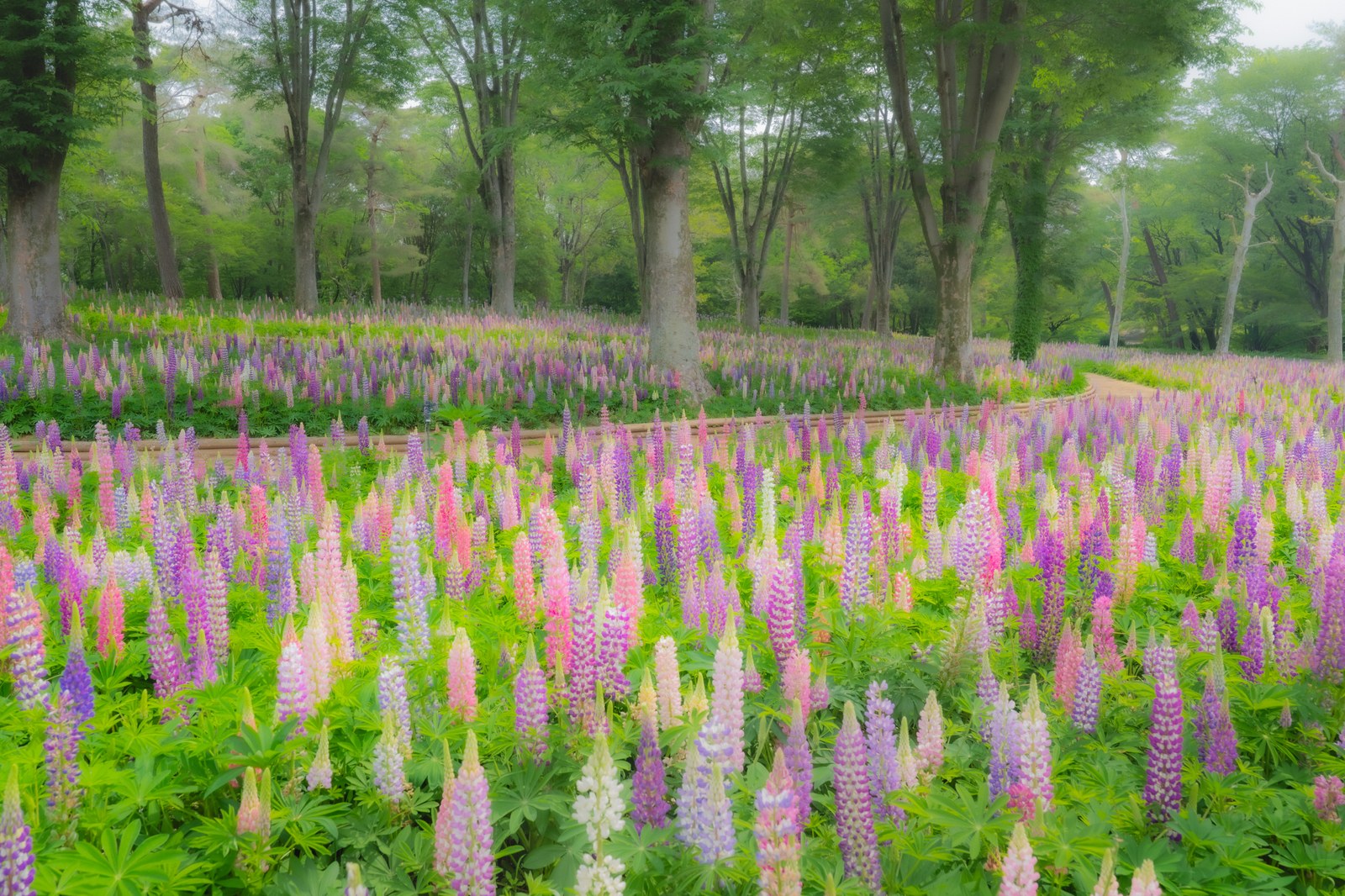 A Forest of Lupines — 40,000 Flower Spires in the Komorebi Field📍 Musashi Kyuryo, SaitamaRead →
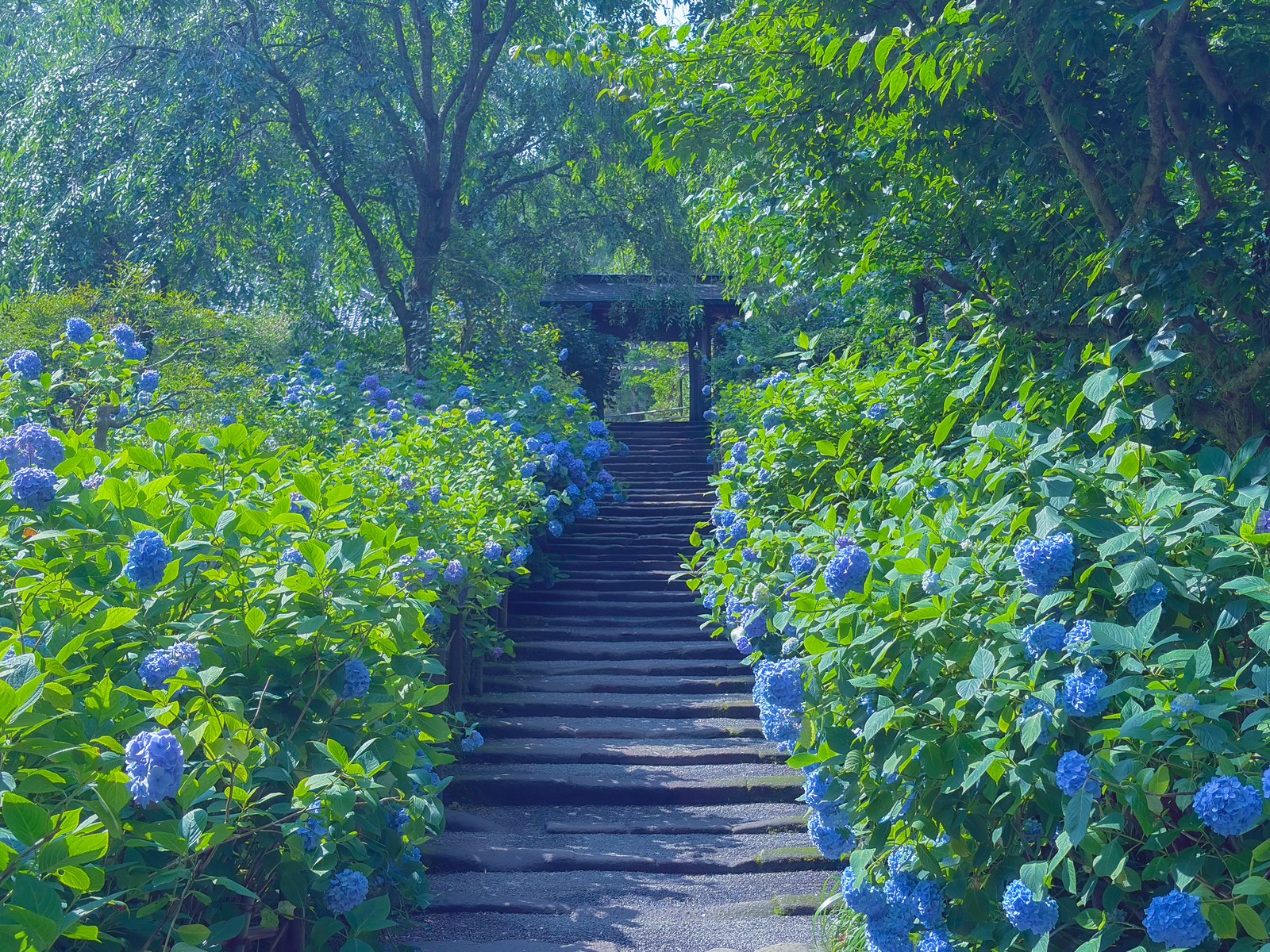 The Hydrangeas of Meigetsuin ― A Blue That Deepens in the Rain📍 Kita-Kamakura, KanagawaRead →
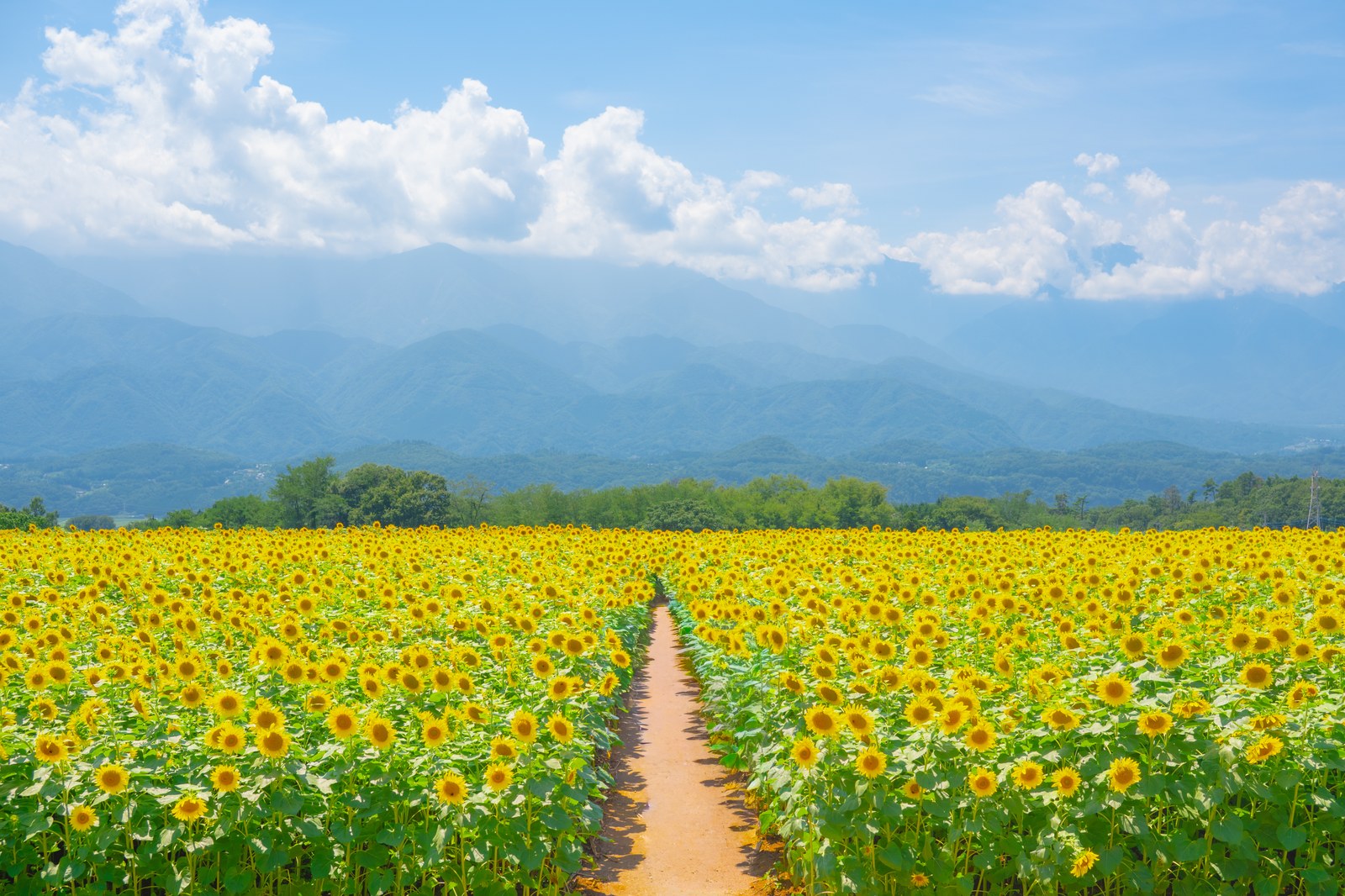 Akeno Sunflowers — A Summer Below Yatsugatake and the Southern Alps📍 Akeno, YamanashiRead →
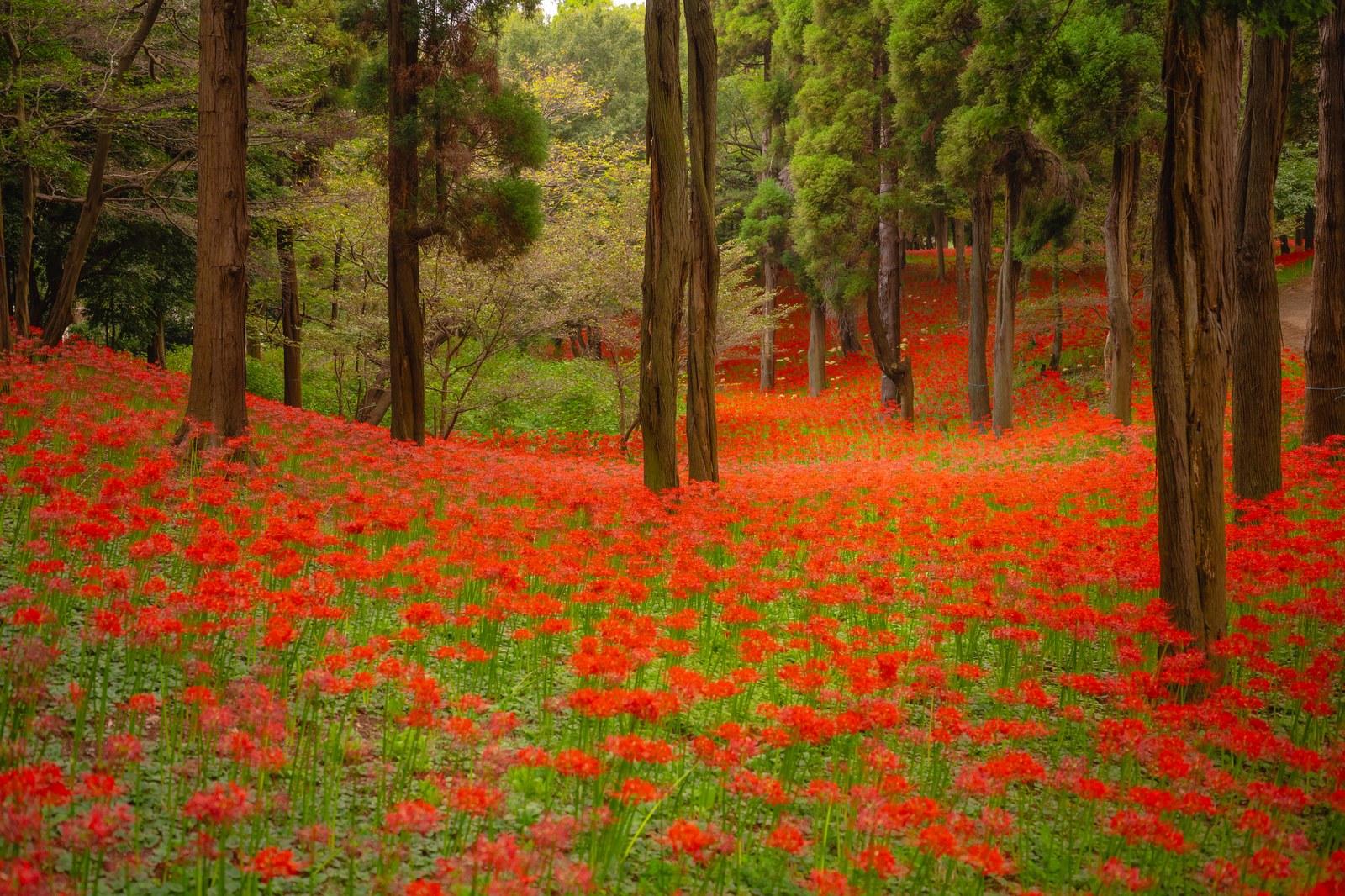 A Forest of Red Spider Lilies ― Autumn Fire on the Woodland Floor📍 Yachiyo, ChibaRead →
More on technique and gear
The same tools, the same light. Read on and the craft joins up.
2. Simplify the background ― composing by subtraction
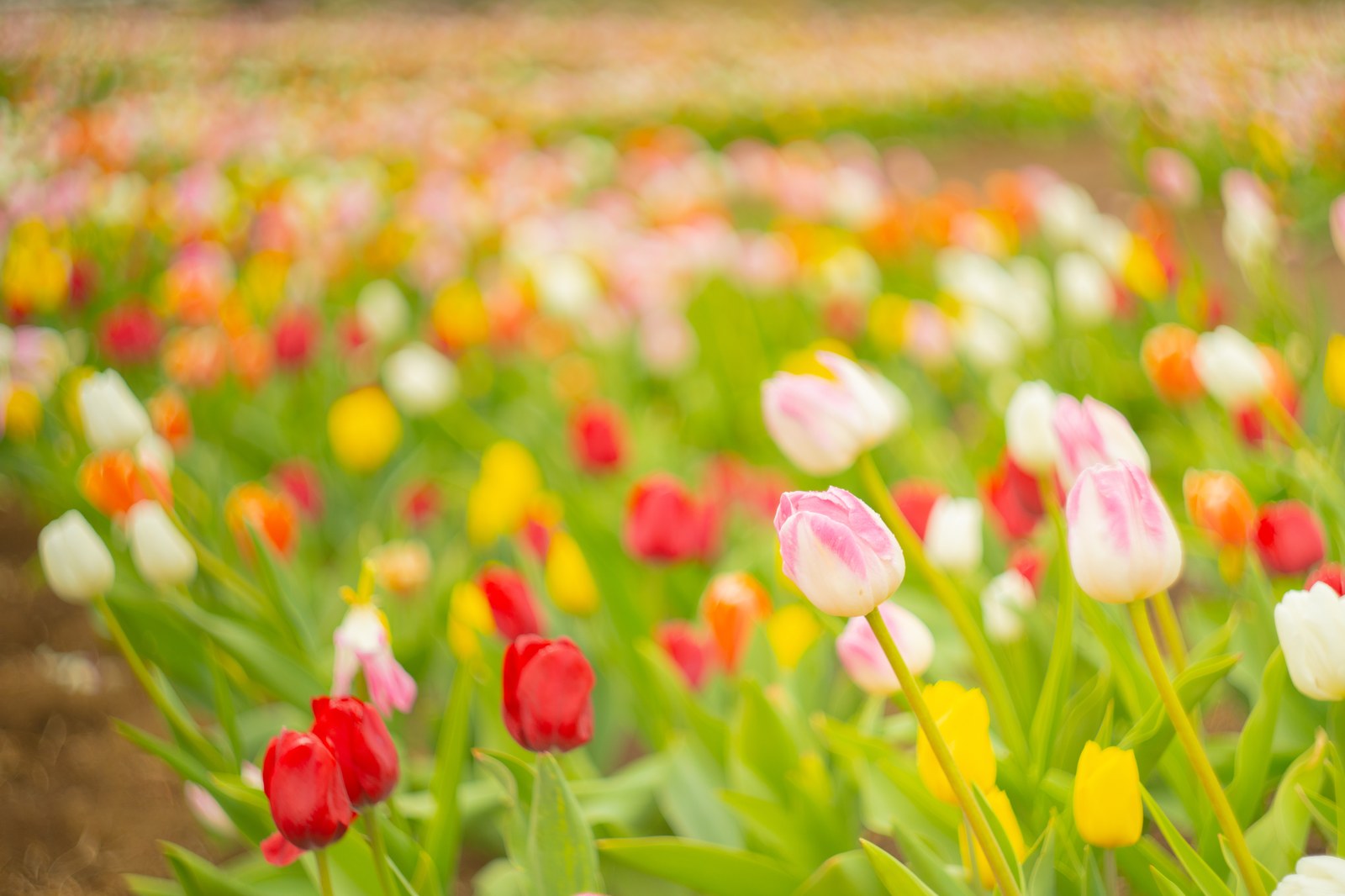
When shooting flowers we fix on the subject, yet it is the background that decides the impression. A cluttered background makes even a fine flower look noisy. A single step, a crouch, a change of angle ― that alone can clear the unwanted from the frame. Open the aperture to blur the background and the flower lifts forward; close it down and the depth of a whole field of blooms appears. Think in subtraction, not addition ― it is the shortest road to a clean frame.
3. Take one step closer ― decide the subject
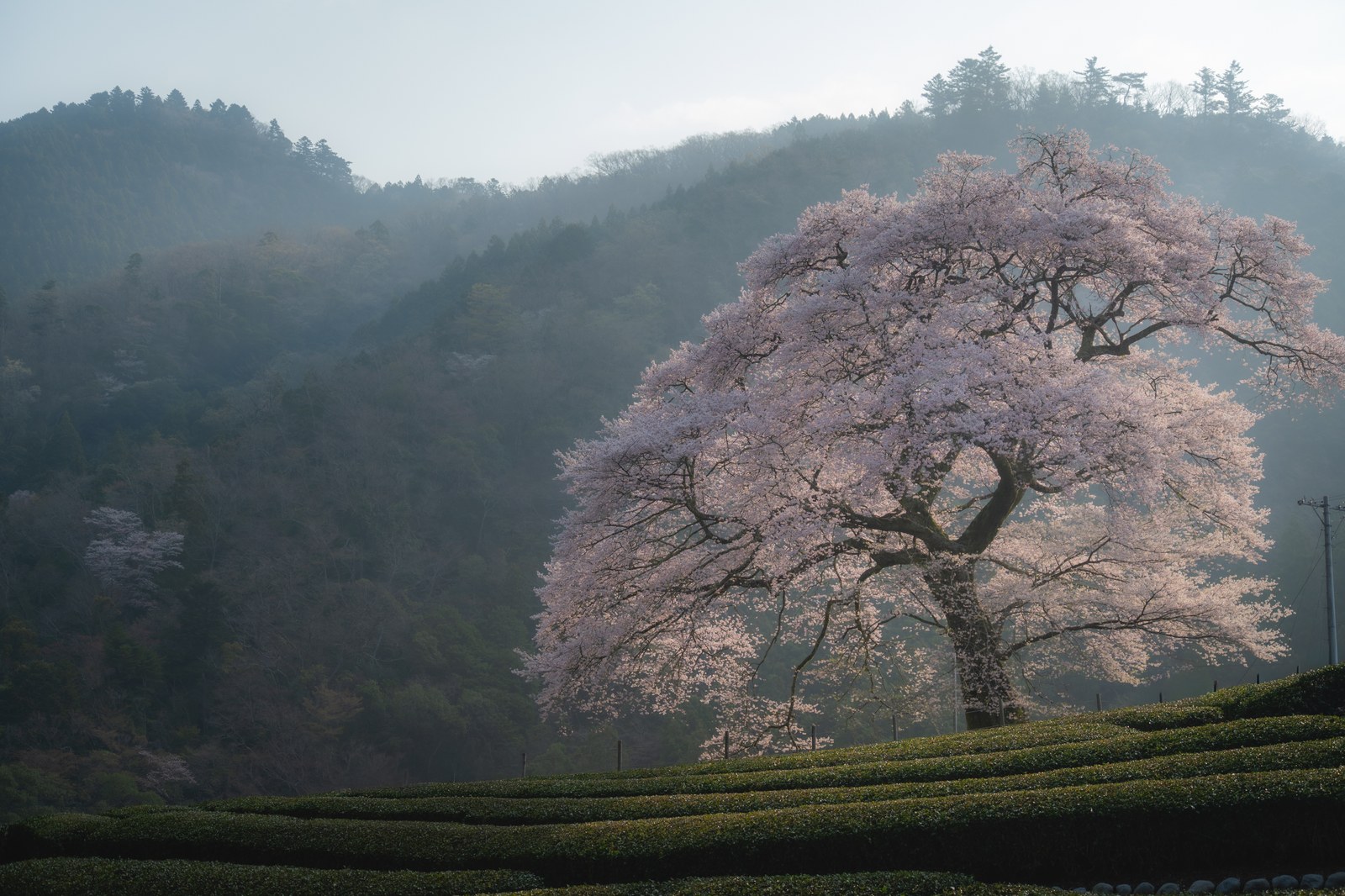
Faced with a flower field, overwhelmed by its breadth, we long to capture the whole. But the wider you shoot, the more the picture scatters. Take that one bold step closer and decide your subject ― the single loveliest bloom, the one cluster the light has touched. Set a subject near and the mass beyond, and a flat field becomes a landscape with depth.
4. Choose your hour ― the magic of morning and evening
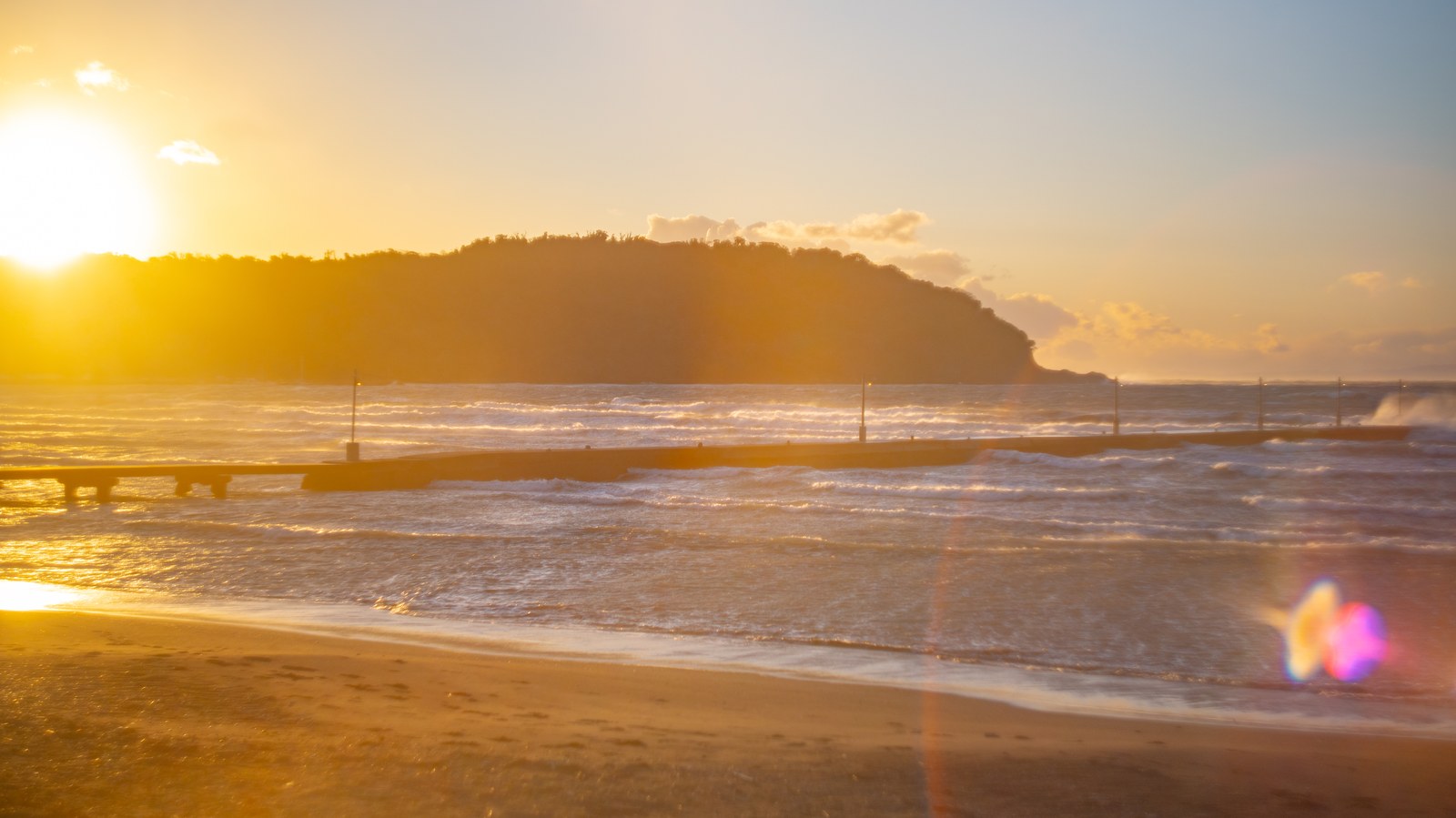
The same flower changes utterly with the hour. The 'magic hour' just after sunrise and before sunset brings low, soft, golden light ― and early morning is quiet, the air clear. Some flowers, like the lotus, open only at dawn; others, like the night cherries, only begin once it is dark. For more, see shooting morning mist and the magic hour.
A good photograph comes not from good gear,
but from the time spent waiting for good light.
5. Win with density ― fill the frame with flowers
What moves people most in a flower landscape is a frame filled to the brim with bloom. Rather than a composition full of gaps, seek the moment of greatest density, the place where the flowers grow thickest. A telephoto lens compresses distant blooms and packs them tighter still. And last of all ― wait. The instant the wind drops, the instant the cloud parts, the instant the crowd clears. The sense honed in the emergency room ― wait, then move at the decisive moment ― serves just as well among the flowers.
The developing approach behind the photographs in this article is gathered into 30 presets for Lightroom / Camera Raw ($15.00 — a ZIP download straight after purchase).
View the presets →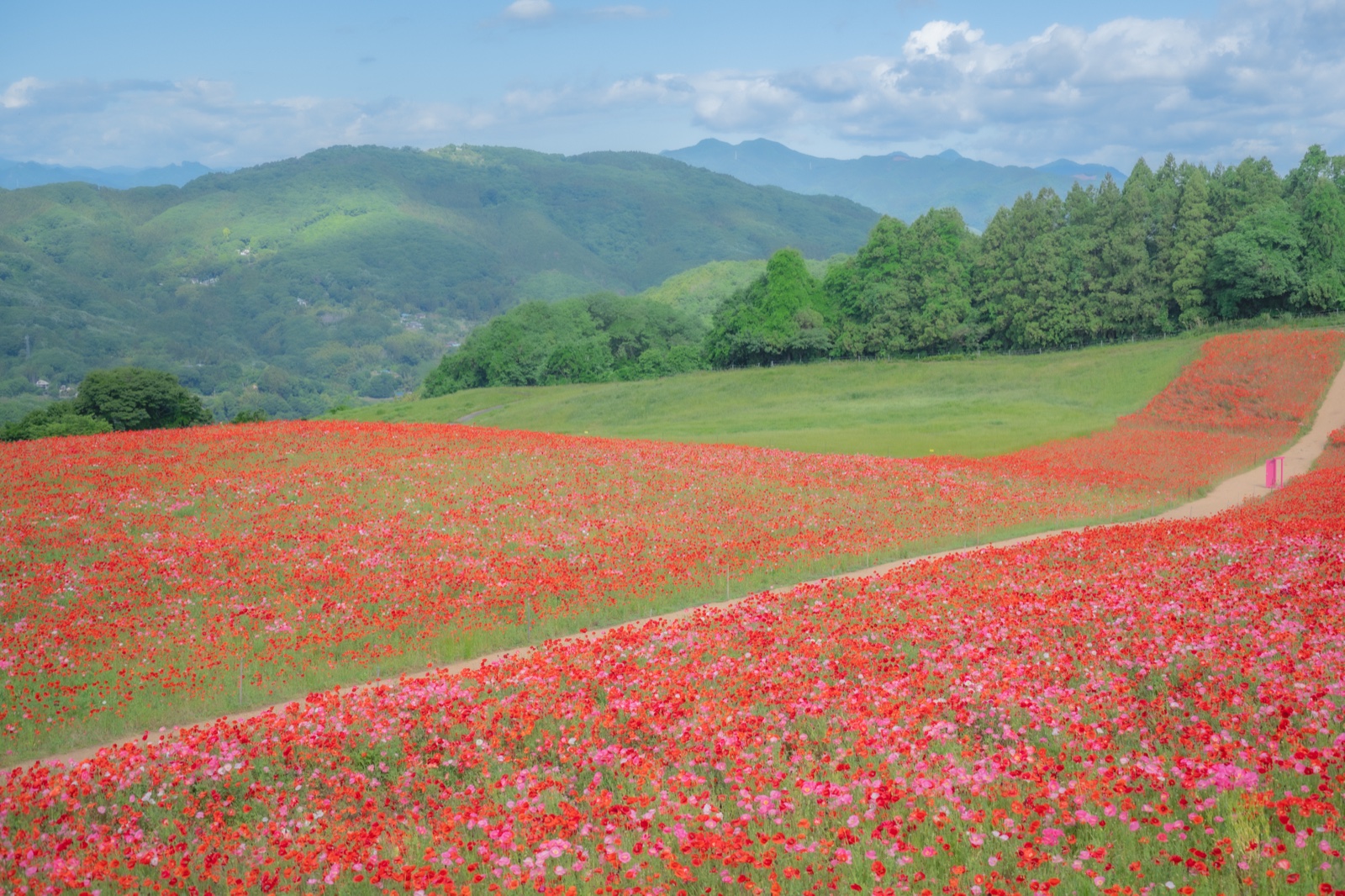
The cameras, lenses and tripods I actually use for these prints are gathered in the gear guide ― a useful starting point if you are taking up flower landscapes.
🖼️ Choosing a frame (with inner and outer dimensions)
💾 A digital download is also available ($4.00 each). Bundles cost less: 3 for $10.20, 5 for $15.00 ($3.00 each) — mix any photographs you like.
See the gear guide →