
GEAR REVIEW
Marumi Soft Fantasy II Review — Only When the Scene Asks for It
This is a soft filter I have carried for more than a year. The short verdict: it is a good tool. But it is not a tool I leave fitted. It goes on only when I meet a scene that looks as though it could become a painting. This review covers how I make that call, and what the thing itself does — and does not — do.
As an Amazon Associate, Ikebanadoctor earns from qualifying purchases. If you buy through these links, a small part of the sale helps support our work — at no extra cost to you. We only feature tools we genuinely use and can wholeheartedly recommend. These links point to Amazon Japan, where these items are sold.
What it actually does
A soft filter is a piece of glass in front of the lens. Its surface carries very shallow structure — fine texture or particles — that scatters a little of the light passing through. The effect shows up most in the highlights: bright areas bloom outward, and hard light starts to look as though it is carrying air. Shadows barely change, so this is not the same as the whole frame going soft. Focus stays exactly where you put it; only the light turns gentle.
How I decide to fit it
Asked when I use it, I always give the same answer.
There are times I put it on when I meet a landscape that looks like it could become a striking painting.
— IkebanadoctorThat sentence more or less exhausts the instructions. I do not fit it when I want a record of something. It goes on when what is in front of me reads less like a photograph and more like a picture. Which means that on every other day it stays in the bag. It does not come out often. That is not a fault in the tool; it is what the tool is for.
More on technique and gear
The same tools, the same light. Read on and the craft joins up.
How the effect arrives
Two things change. First, point sources bloom: dappled sun, glints on water, a streetlight, the rim of a backlit petal — small points of light spread outward into soft orbs. Second, contrast loosens, because a little light leaks from the bright areas into the dark ones. Blacks get shallower. Whether you read that as "flat" or as "the air is in the picture" decides whether you will like this filter at all.
It works hardest where there is a real difference between light and shade: backlit or side-backlit petals with glowing edges, a low sun in the frame at either end of the day, hard light on a white flower. The more the light saturates somewhere in the frame, the more honestly the bloom appears. Under flat overcast you will barely see it — diffuse light has nothing left to diffuse. "I want soft, so I will fit it on a cloudy day" is exactly backwards. This is a tool for hard light.
Choosing the strength
Strength comes first from the grade you buy, and then from the aperture. It tends to bloom more wide open and less stopped down, so shooting the same filter at f/2.8 and at f/11 shows you the whole range available within a single lens. Beginners usually find it stronger than expected, so starting from the weaker end is the safer move.
No complaints — which is not the same as universal
After a year and more, I have no complaints about the product itself. Nothing about the build or the effect that I would want changed. But "no complaints" is not "use it for everything", and the useful part of a review starts here, so let me split it honestly.
Three practical notes. One, you need one per filter thread. I keep 77mm for the standard zoom and 52mm for the 40mm prime. A step-up ring lets one filter serve several lenses, but check it against your hood first. Two, do not leave it on. In night scenes and illuminations full of point sources, every point spreads and you get a different picture altogether — powerful if intended, wrong when you need the record. Three, nothing is written to the file. Six months later you will not remember whether it was fitted, so note it on the day.
"Can I not do this in post?" — often. For a mild effect, pulling Lightroom's dehaze negative gets you close. Around strong point sources, though, spreading the light optically in front of the lens still looks more natural to my eye. Trying it on an existing frame before you buy is a sensible move.
Light enough to be there when it matters
The real advantage may not be the effect at all, but that it costs almost nothing to bring. It is one thin piece of glass. Left in a corner of the bag its weight never registers, so it does not get left behind on days you think you probably will not need it — which is precisely why it can be fitted on the spot, when the painting-like scene actually turns up.
Gear left at home does not exist that day. That is always my criterion — the same reason I choose a camera I want to carry and a tripod I am willing to bring.
What bloom looks like
Plainly: none of the prints we currently sell were made with this filter. So there are no sample images of it here.
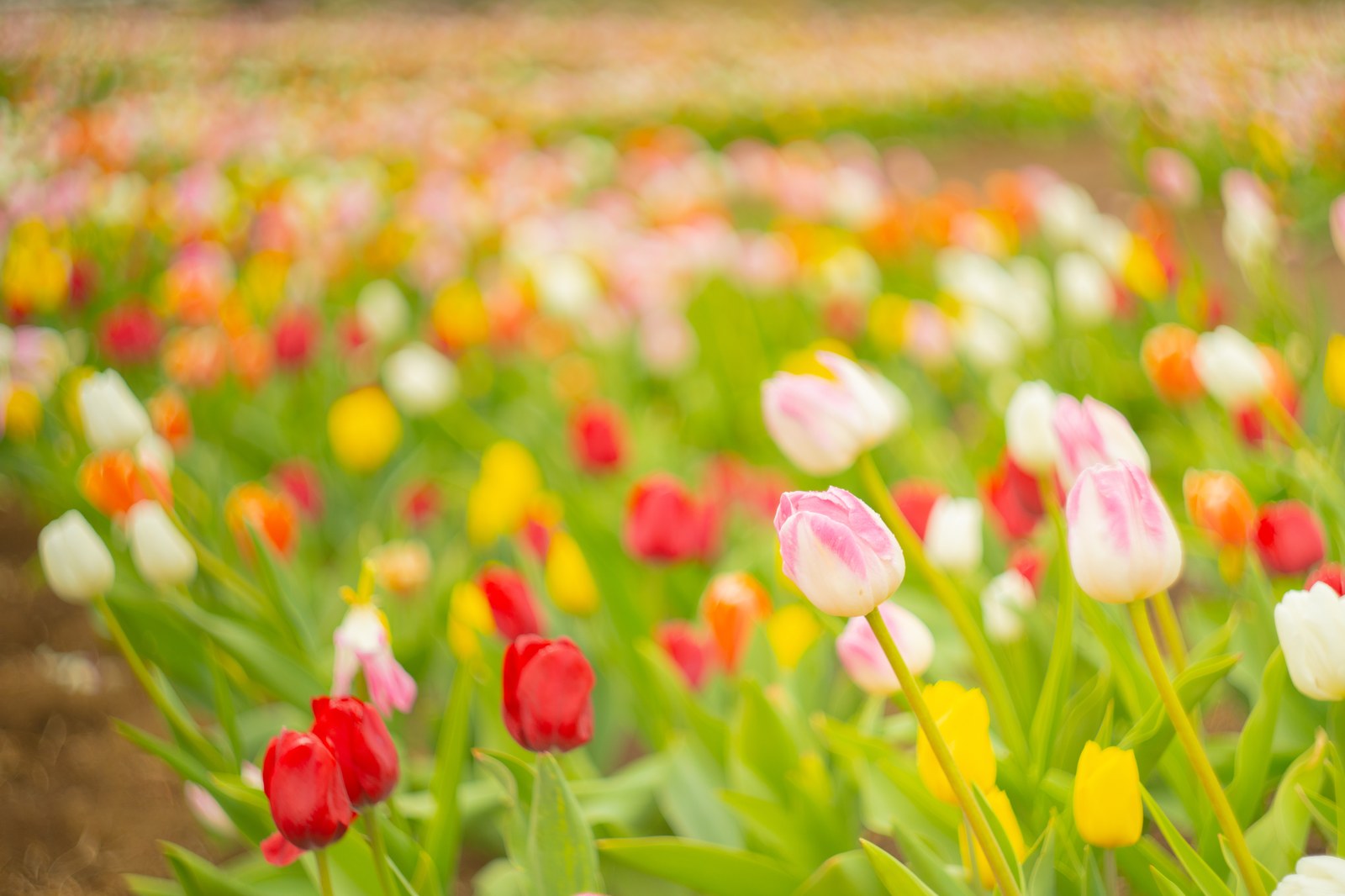
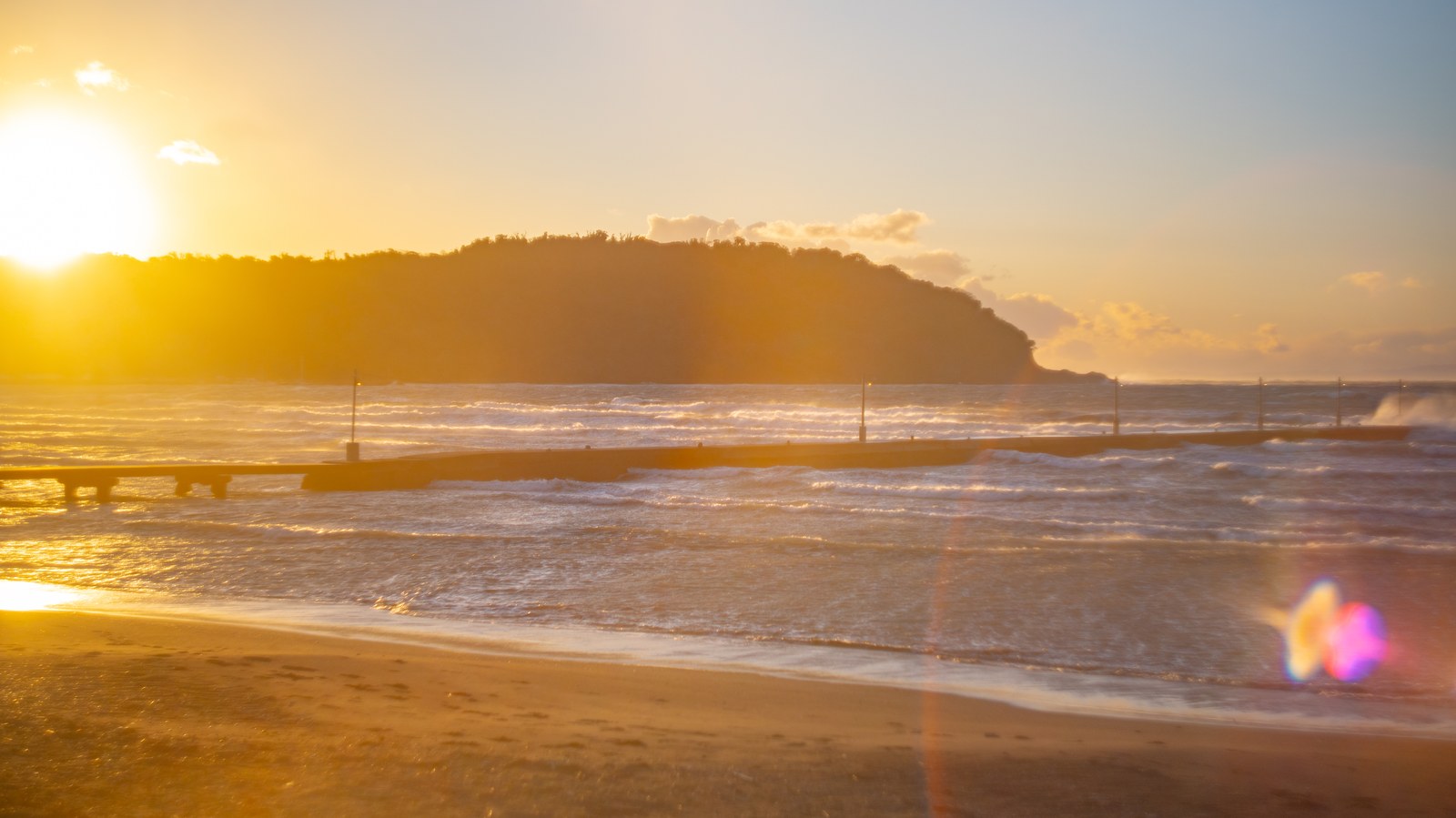
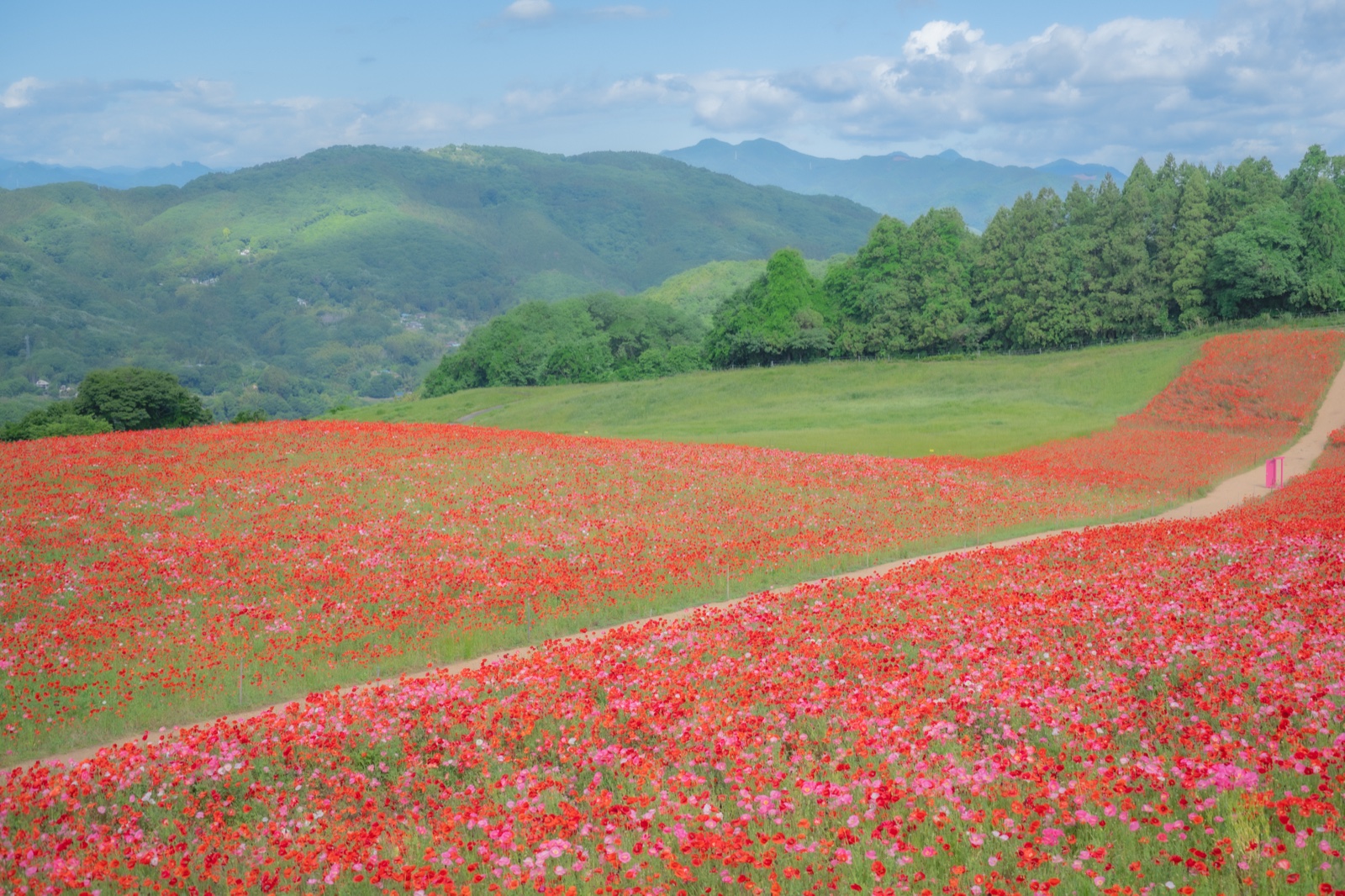
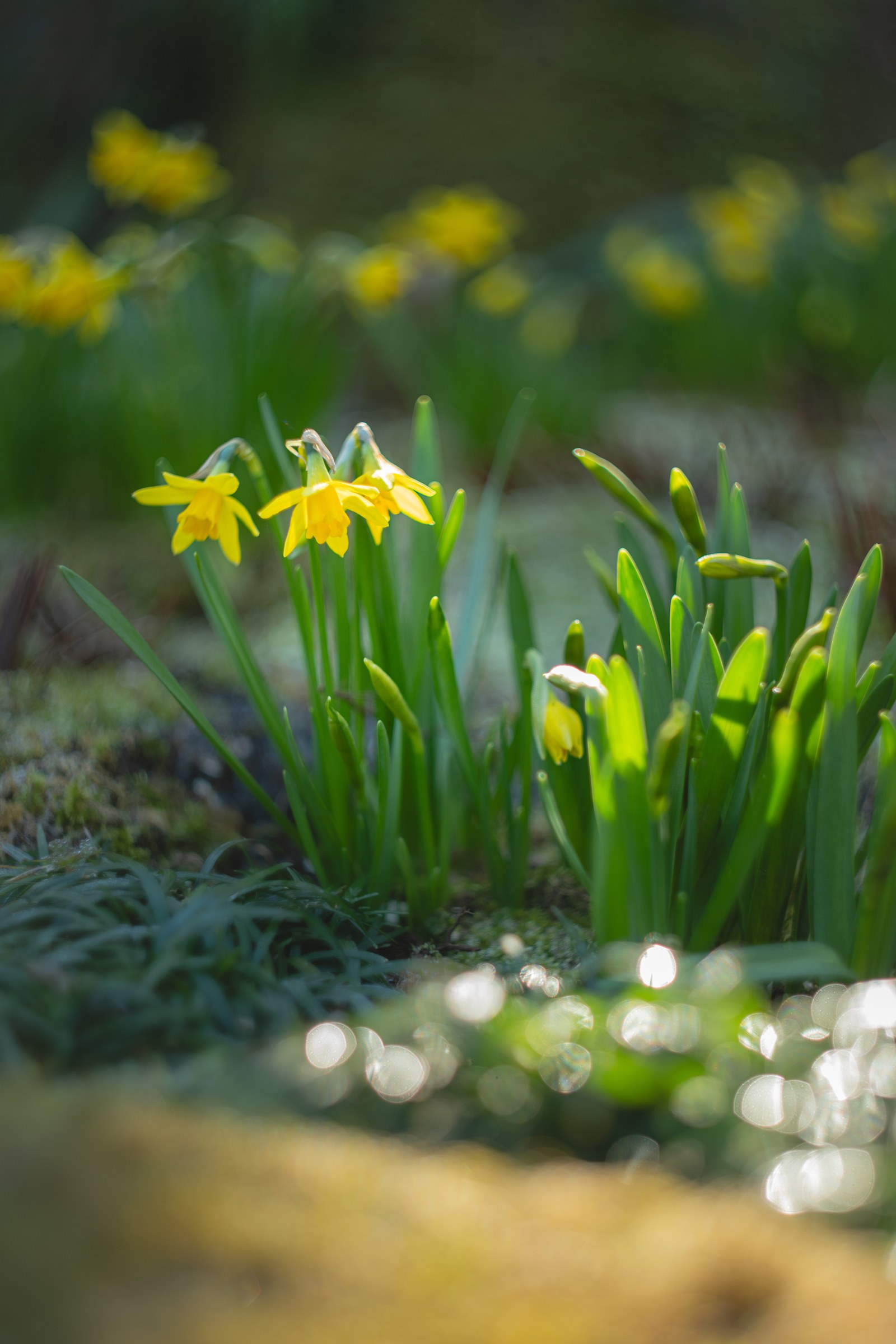
Instead, as a reference for what blooming highlights do to a picture, here are prints made on the old HELIOS-44-2 58mm F2. No filter was fitted for any of them. That bloom is the lens itself, not this filter. The mechanisms differ, so the look is not identical — but it is the closest honest illustration I can give you.
What bloom looks like — three prints
All three were made on the HELIOS-44-2 58mm F2 (no soft filter was used), and are printed on FUJICOLOR professional silver-halide paper.
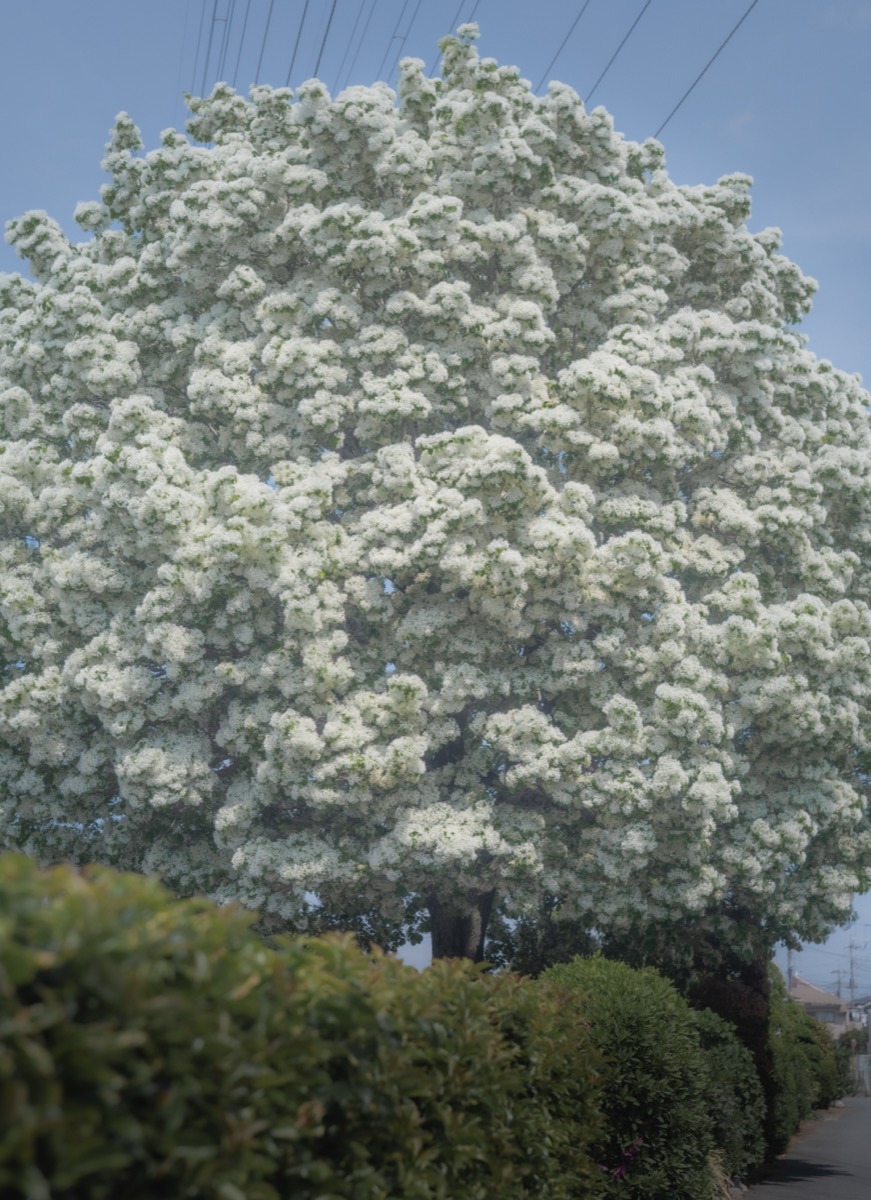
The two roads — adding a filter to a modern lens, or choosing glass that blooms by itself — are compared in Two Roads to a Dreamy Look. If this page is a review of the object, that one is about how you make softness.
If you are buying one
Marumi DHG Soft Fantasy II
The soft filter I carry. Highlights bloom gently and hard light starts to look as though it carries air. Its real strength is that the effect is reversible — on for one frame, off for the next. I use the 77mm on my standard zoom.
Choose the diameter to match the filter thread of the lens you want it on. I keep 77mm for the standard zoom and 52mm for the 40mm prime; the rest of the kit, including the 52mm, is in the gear guide.
The developing approach behind the photographs in this article is gathered into 30 presets for Lightroom / Camera Raw ($15.00 — a ZIP download straight after purchase).
View the presets →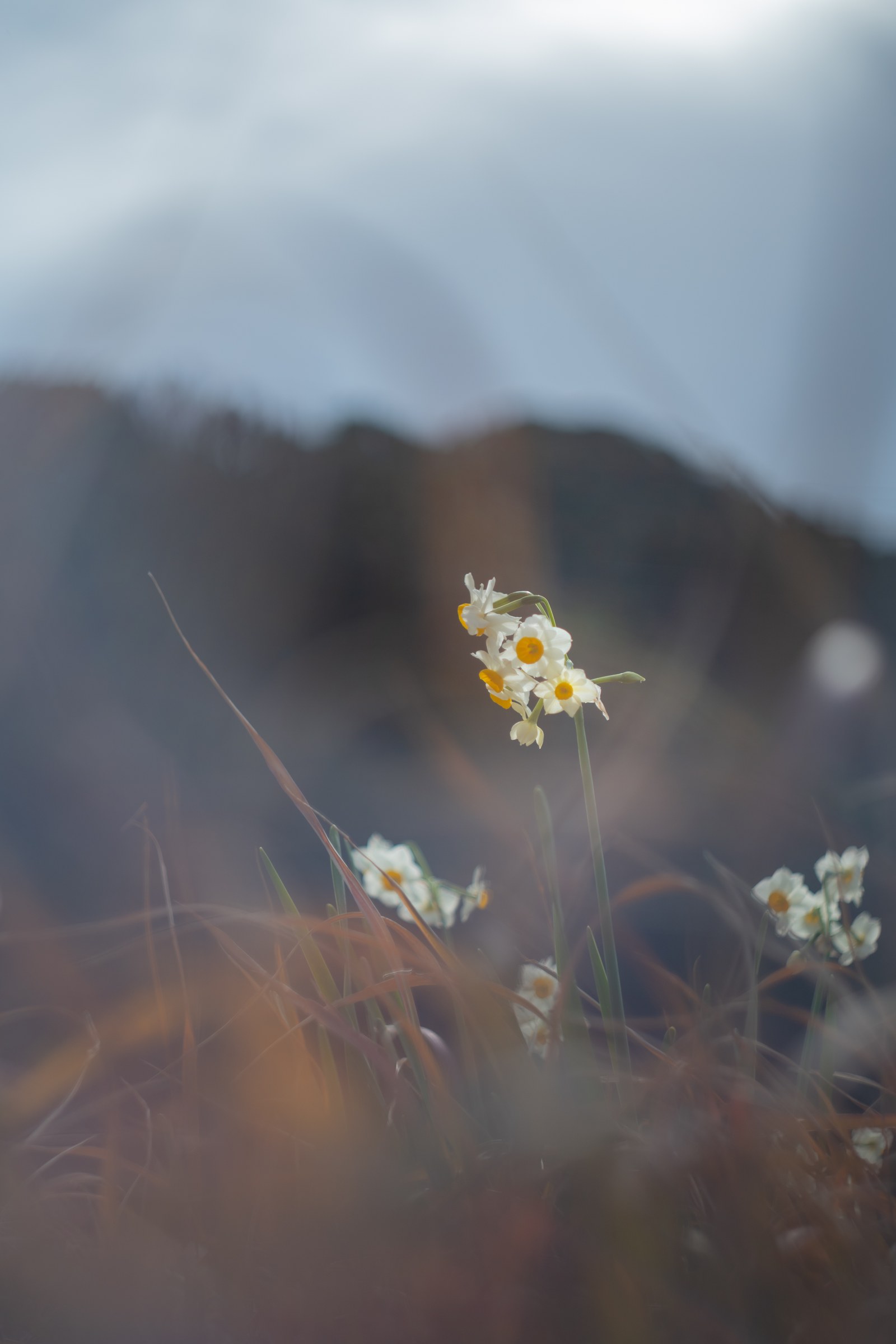
Including the three shown here, ten of our prints were made on the HELIOS-44-2 58mm F2. All are printed on FUJICOLOR professional silver-halide paper and shipped worldwide.
🖼️ Choosing a frame (with inner and outer dimensions)
💾 A digital download is also available ($7.00 each). Bundles cost less: 3 for $17.84, 5 for $26.23 ($5.25 each) — mix any photographs you like.
See the 14 prints shot on this lens →