
GEAR ・ HOW-TO
Two Roads to a Dreamy Look — Soft Filters and Old Glass
"Where does that soft light come from?" I am asked this often, and honestly I cannot answer with the name of one product. Softness is assembled from three things at once — the light itself, the lens, and anything you add in front of it. This article lays out the two you can deliberately add: putting a soft filter on a modern lens, and choosing an old lens that blooms all on its own. The prints shown here illustrate the old-lens road; for the filter, I explain how it behaves and how to use it in words.
Where softness actually comes from
Let's separate the sources first. There are at least three.
The largest of the three is the first one, and you cannot buy it: diffuse light on an overcast day, a sun seen through morning mist, dappled light under trees. The second and third are the ones you can add. What matters is that they produce a similar look through completely different mechanisms, so owning one does not make the other redundant.
More on technique and gear
The same tools, the same light. Read on and the craft joins up.
Road one — a soft filter in front of the lens
A soft filter is a piece of glass with very shallow relief or fine particles worked into its surface, scattering a small part of the light passing through. The effect lands hardest on the highlights: bright areas bleed gently outward, and hard light starts to look like it is wearing air. Shadows barely change, so it is nothing like defocusing the whole picture. The image stays in focus while the light goes soft — that is the whole trick.
When to put it on
It belongs on the lens where there is contrast. Backlight or side-backlight rimming a petal, a low sun in the frame, strong light on a white flower. The more the light is saturating somewhere in the picture, the more graceful the bloom.
Under flat overcast light you will barely see it, because light that is already diffused has nothing left to diffuse. "I want soft pictures, so I will use it on cloudy days" is exactly backwards — this is a tool for hard-light days.
What the effect looks like
Two changes show up. First, point sources bloom: dappled sun, sparkle on water, street lamps, the lit rim of a backlit leaf — every small point of light spreads outward into a soft orb. Second, contrast loosens, because a little light leaks from the bright areas into the dark ones. The blacks get shallower. Whether you read that as "flat" or as "the air is in the picture" decides whether you like this filter at all.
Choosing the strength
Strength comes from the grade you buy, and then from the aperture: wider tends to give more, stopping down gives less. Shoot the same scene at f/2.8 and f/11 with the same filter and you will learn how much range a single piece of glass gives you. Most people find the effect stronger than expected at first, so a milder grade is the safer entry.
How it behaves against the light
Backlight is where this filter shows the most character. Light spilling past the sun or through branches lays a thin veil across the whole frame and pushes the picture a step warmer. That veil also lowers contrast for certain, so it suits subjects where fine texture is not the point. Use it into the light and accept that you are trading detail — the results are better when that trade is deliberate.
One warning: in scenes full of point sources — night cityscapes, illuminations — every point blooms and you get a very different picture. Powerful when intended, wrong when you need a record. The most important habit is simply not leaving it mounted.
Road two — a lens that blooms by itself
The other road adds no glass at all: use a lens that blooms. Older designs were single-coated and left aberrations uncorrected by modern standards, so wide open their highlights spread naturally. You get a similar softness without a filter.
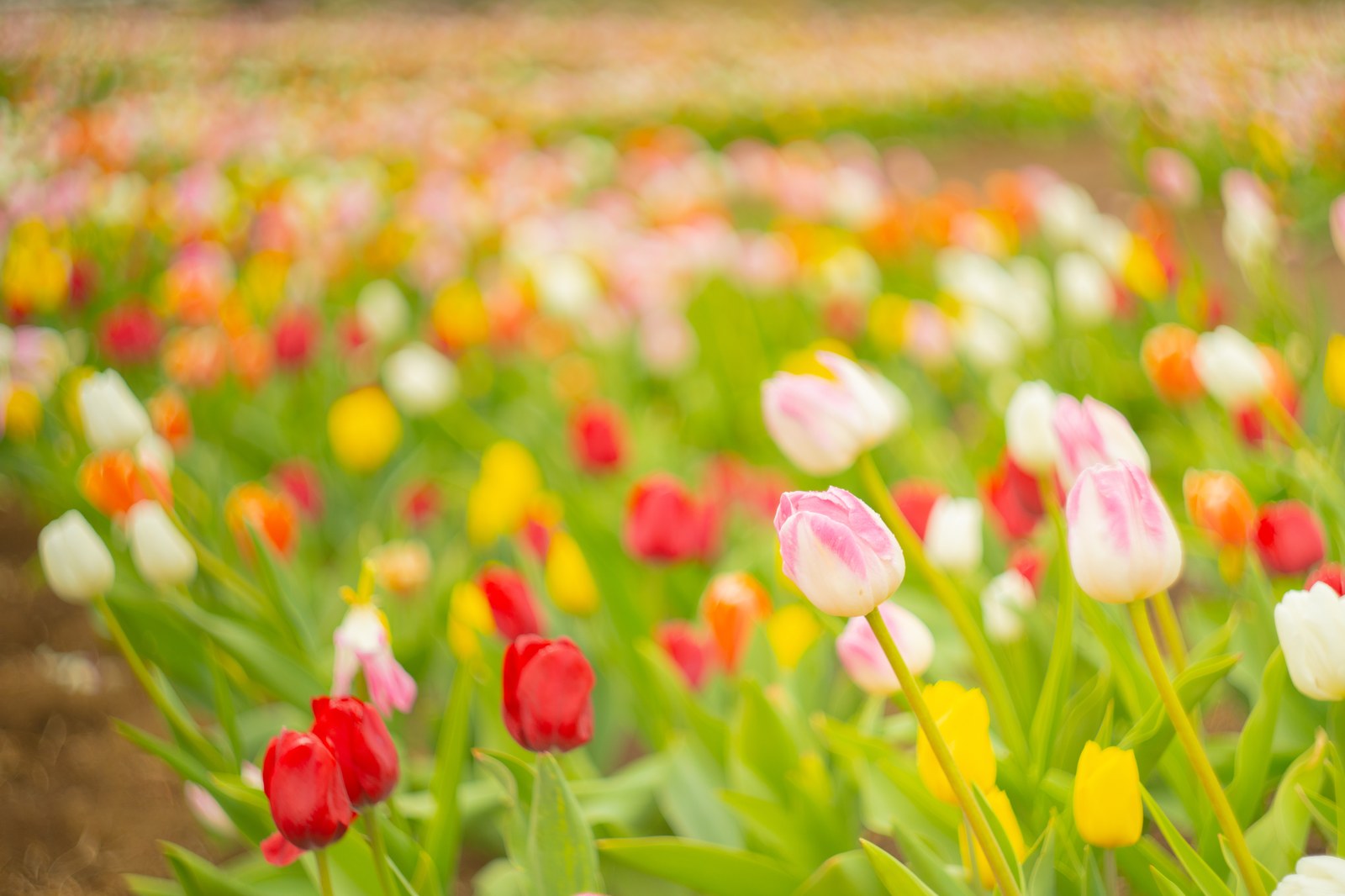
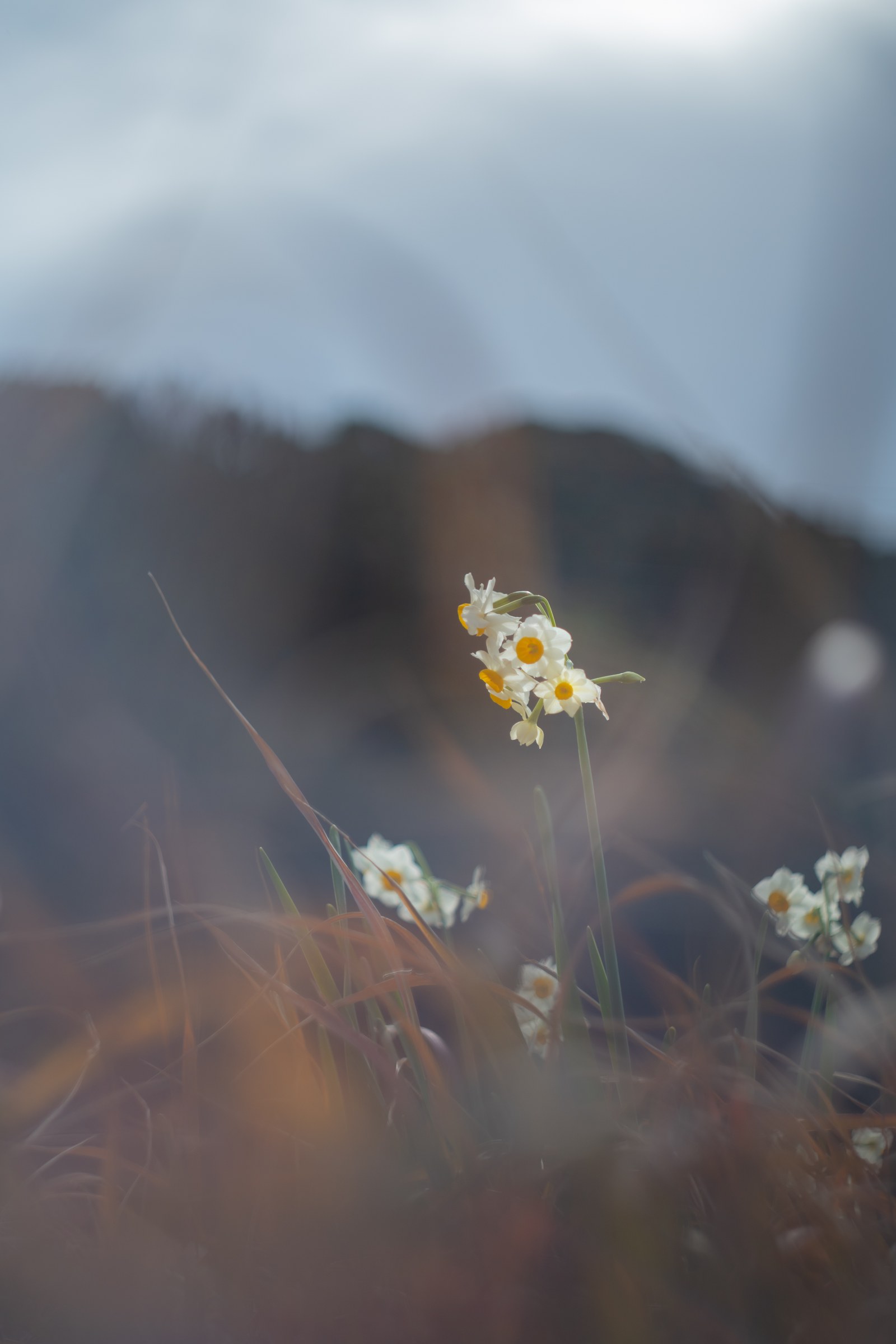
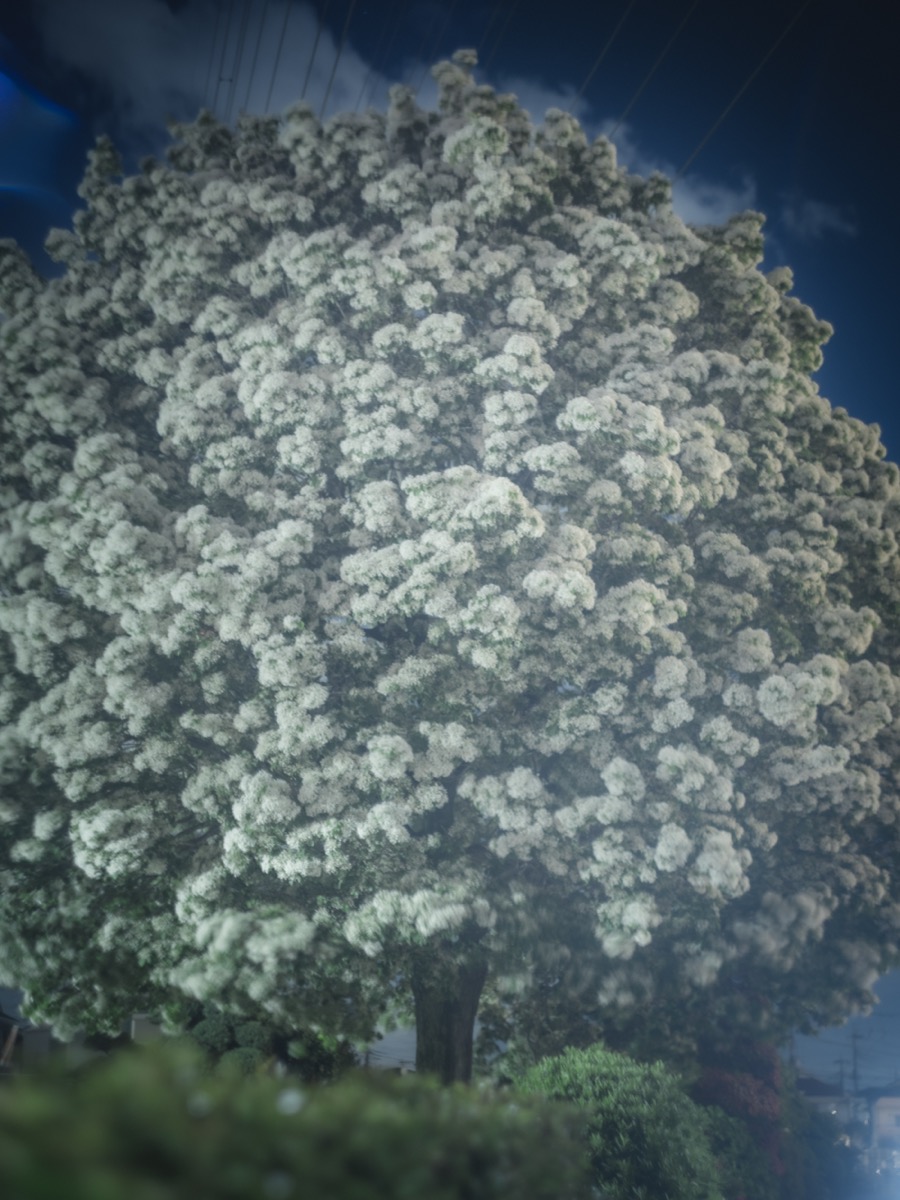
Everything shown below is the rendering of one old lens, the HELIOS-44-2 58mm F2, with no filter fitted. In Nanjamonja, at Niiza in Saitama, the mass of pure white blossom blooms outward like snow; in Nanjamonja at Night, the same tree floats white out of deep blue darkness. Ice Tulip Field in Funabashi was shot wide open until foreground and background melted into bands of colour, and Kyonan Daffodil Festival keeps a single bloom through dead grass while everything before and behind hazes over.
Optical bloom — four frames
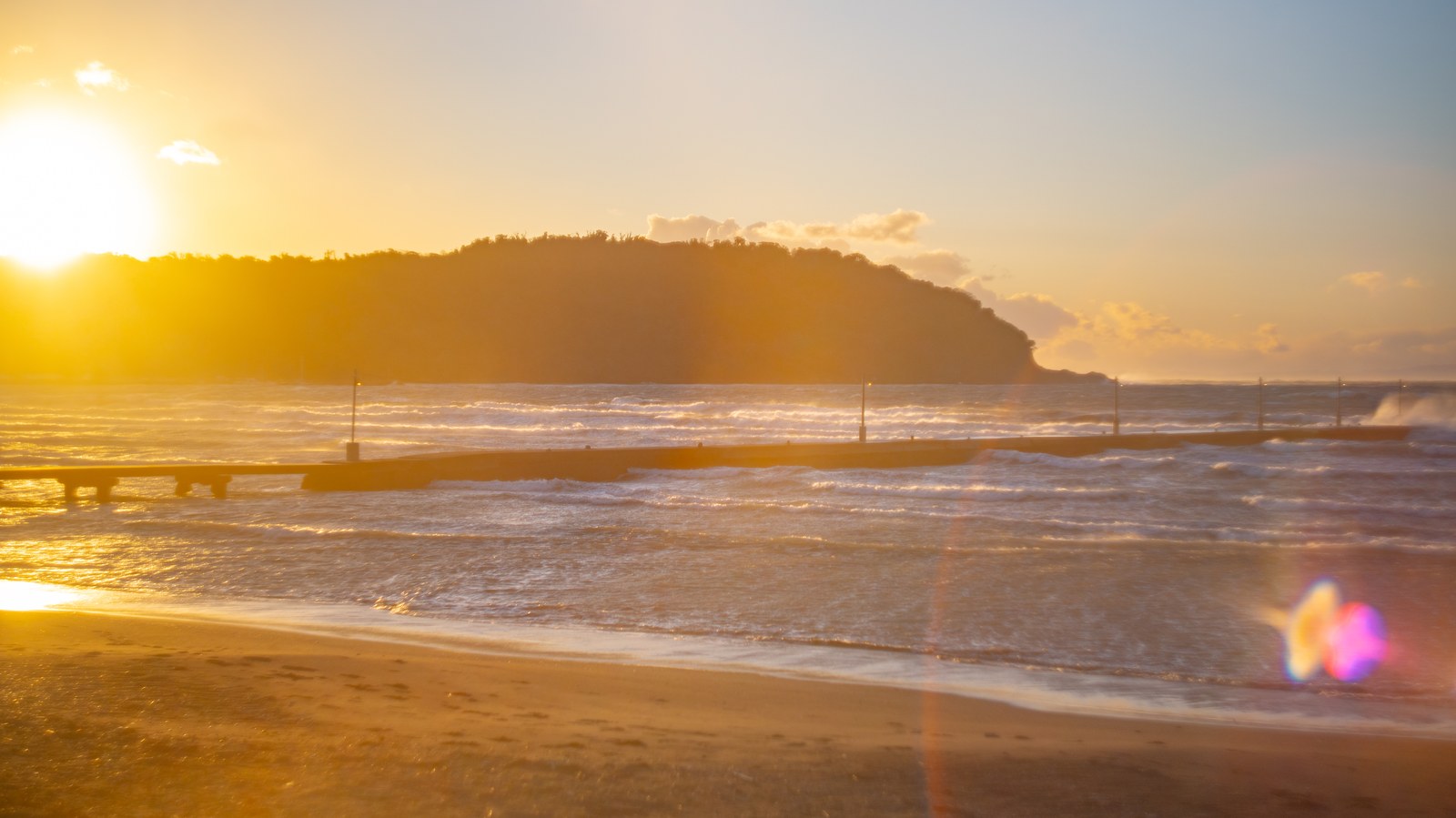
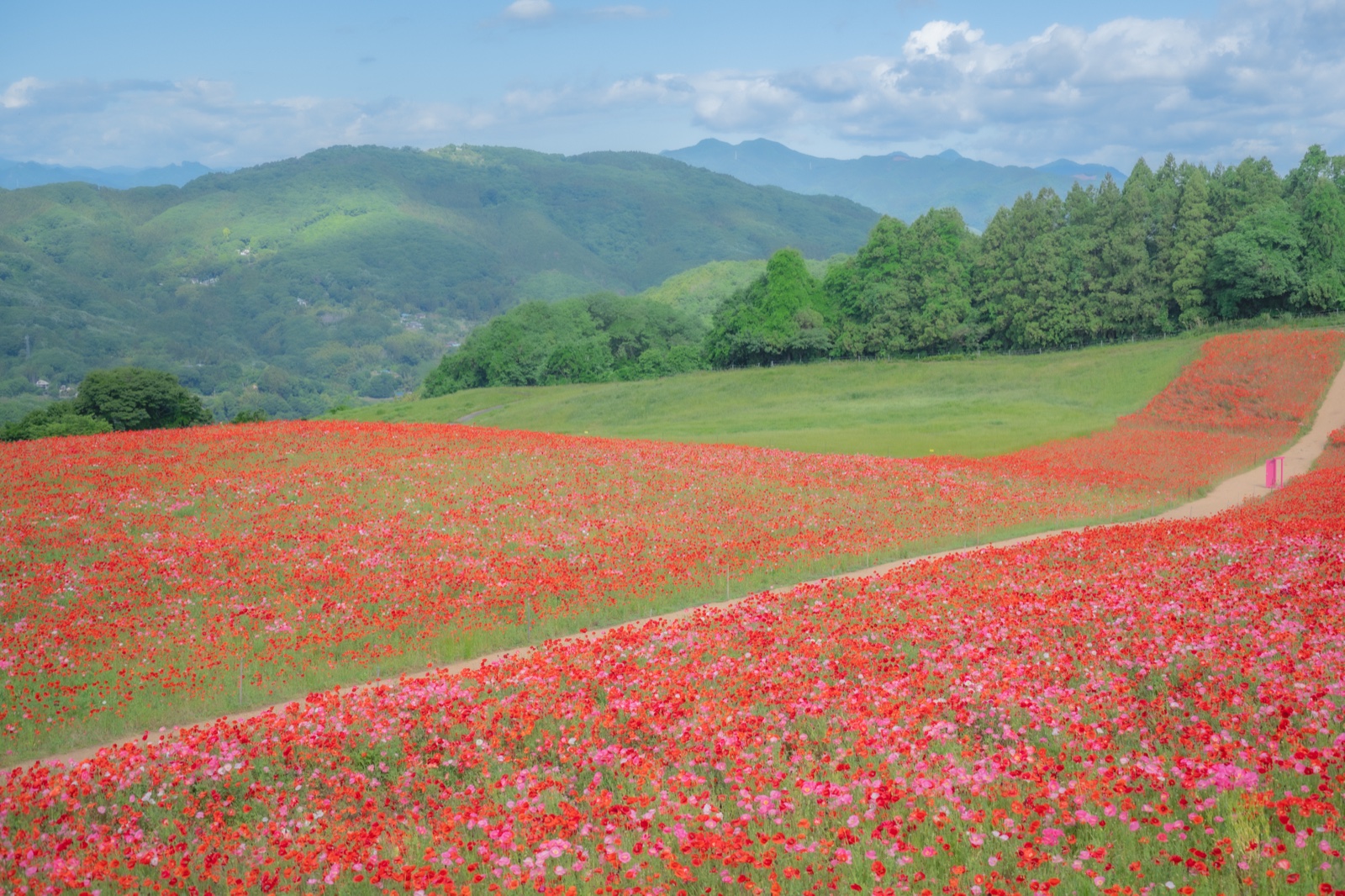
All shot on the HELIOS-44-2 58mm F2, with no filter fitted. Printed on FUJICOLOR professional silver-halide paper.
On the same lens, Winter Ice Tulips in Ueno Park turns a single street lamp into radiating rays and an arc of ghosting. As a phenomenon, a point source spreading is close to what a soft filter does — but the particular way it spreads comes from the optical design itself, and no filter reproduces it. Nor does old glass reproduce what a filter does.
Old lenses also have a decisive weakness: manual focus, manual aperture, and no way to switch the character off. "Not today" is not an option — that is the real difference. A soft filter is reversible: mount it, remove it, two different pictures. That reversibility is the great advantage of a modern lens plus a filter.
How far can post-processing take you?
People ask whether pulling Lightroom's Dehaze slider negative does the same job. Up to a point, it gets close. But there is a difference in how naturally the highlight spreads between light diffused in front of the lens and pixels blurred afterwards — most visible around strong point sources, where the optical version stays more graceful. Conversely, a mild soft effect is often perfectly achievable in post. Try it on a picture you already have before you buy anything.
The soft filter I use
Marumi Soft Fantasy II (DHG soft effect, made in Japan)
The soft filter I carry. Highlights bleed gently outward and hard light begins to look like it is wearing air — a texture that is difficult to build afterwards and only really happens in front of the lens. I use the 77mm on my standard zoom.
Buy the diameter that matches the lens you want it on. I keep a 77mm for the standard zoom and a 52mm for the 40mm prime; the rest of the kit, including the 52mm, is listed in the gear guide. A step-up ring lets one filter serve several lenses, but check hood clearance first.
As an Amazon Associate, Ikebanadoctor earns from qualifying purchases. If you buy through these links, a small part of the sale helps support our work — at no extra cost to you. We only feature tools we genuinely use and can wholeheartedly recommend. These links point to Amazon Japan, where these items are sold.
So which road first?
If you want to keep using the modern lens you already own, the filter is the faster answer: the effect appears the moment you mount it and disappears when you take it off. If you want something more painterly, character and all, one old lens costs less and changes more. Both roads lead to the same place — not to a sharper record, but to what the light in front of you actually felt like.
How to choose the light itself — overcast days, the hour, subtracting the background — is covered in How to Photograph Flower Landscapes.
The developing approach behind the photographs in this article is gathered into 30 presets for Lightroom / Camera Raw ($15.00 — a ZIP download straight after purchase).
View the presets →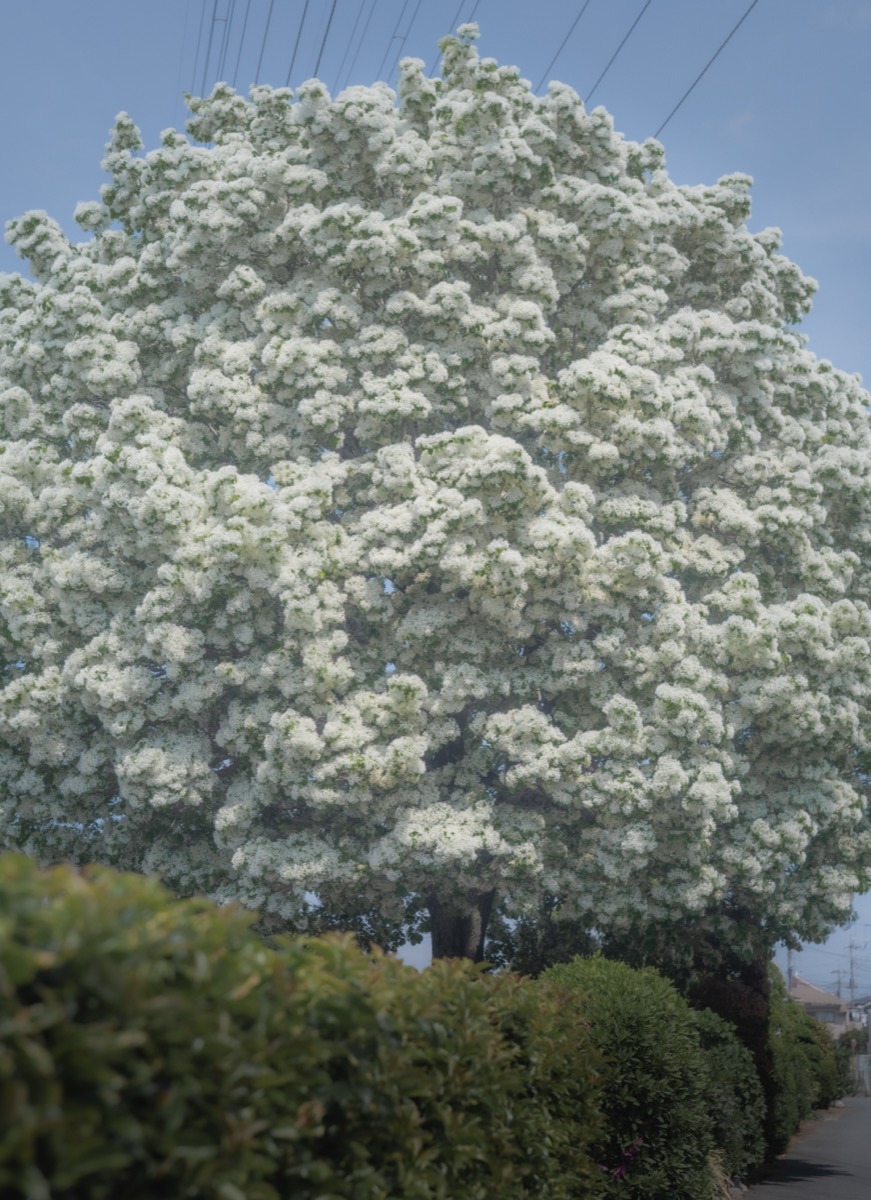
Including the four shown here, ten of our prints were made on the HELIOS-44-2 58mm F2. All are printed on FUJICOLOR professional silver-halide paper and shipped worldwide. The rest of the kit is in the gear guide.
🖼️ Choosing a frame (with inner and outer dimensions)
💾 A digital download is also available ($7.00 each). Bundles cost less: 3 for $17.84, 5 for $26.23 ($5.25 each) — mix any photographs you like.
See the 14 prints shot on this lens →